

Inside HOTOOK's R&D: Developing Advanced Salt Chlorinators for Global Pools
Introduction: Why R&D Matters in Salt Chlorinator Manufacturing
Anyone who has spent years in the global swimming pool supply chain can spot the difference between a trading workshop and a genuine manufacturing plant within five minutes on the factory floor. In the salt chlorinator sector, the market has seen plenty of trading entities: companies that buy generic injection-molded clear plastic housings from one supplier, off-the-shelf power transformers from another, unbranded titanium mesh from a third, and screw them together on a simple workbench.
On paper, those assembled units generate chlorine. In real-world plant rooms, however, the flaws surface rapidly: uneven electrolyte flow causing premature plate scaling, power boards failing during summer voltage fluctuations, reverse-polarity switching circuits welding relay contacts shut, and control interfaces confusing end users.
A salt chlorine generator is fundamentally a precision electrochemical reactor paired with high-current power electronics, operating outdoors in hot, humid, corrosive environments. Sustained field reliability cannot be achieved by superficial assembly-it requires deep, multidisciplinary Research and Development (R&D). As an established salt chlorinator manufacturer and engineering pioneer in pool disinfection technology, HOTOOK approaches product development not from a trading mindset, but from the foundation of materials science, fluid dynamics, power engineering, and embedded software logic.
The Importance of In-House R&D in Pool Equipment Manufacturing
Technical R&D as the Core Driver of Product Competitiveness
In B2B equipment distribution, your gross margin and market reputation depend directly on product stability. When a distributor imports a container of chlorinators, an extra 2% failure rate in the field does not just eat away warranty reserves-it destroys relationships with commercial pool contractors and retail dealers.
In-house R&D is the only mechanism that protects distributors against these systemic failure modes. By maintaining direct ownership over hydraulic modeling, titanium plate coating formulation, electronic hardware architecture, and firmware logic, an engineering-driven salt chlorinator factory controls every performance variable from root level.
Independent Design and Continuous Product Iteration
Trading assemblers are locked into whatever molds and circuit boards are available on the open component market. When regional water chemistries change, or when international regulatory standards tighten regarding electromagnetic compatibility and low-voltage electrical safety, traders cannot adapt.
In contrast, HOTOOK's dedicated R&D infrastructure allows continuous, agile product iteration. When field feedback from high-temperature regions indicates a need for wider salinity tolerance or enhanced heat dissipation, our engineering team modifies the heat-sink geometry, optimizes the switch-mode power supply (SMPS) duty cycle, and updates the firmware within weeks-giving our global partners a lasting technological edge.
How HOTOOK Approaches Salt Chlorinator Product Development
Developing a reliable pool disinfection system is a disciplined, multi-stage engineering cycle. At HOTOOK, every new salt chlorinator model moves through five rigorous development stages before mass production tooling begins.
|
Development Phase |
Core Engineering Focus |
Deliverables & Validation |
|
1. Market & Application Research |
Analyzing regional water parameters (hardness, temperature, salinity norms) across target export markets in Europe, North America, Australia, and Asia. |
Comprehensive Product Requirements Document (PRD) defining chlorine output tiers, voltage compatibility, and user interface specifications. |
|
2. Structural & Mold Engineering |
3D CAD modeling, Computational Fluid Dynamics (CFD) simulation for internal cell hydraulics, tooling design for UV-resistant PC/ABS enclosures. |
Precision injection tooling with high-pressure burst resistance ratings and quick-connect union fittings. |
|
3. Electrolytic System Engineering |
Grade 1 titanium substrate preparation, precious metal Mixed Metal Oxide (MMO) Ruthenium-Iridium coating formulations, plate spacing optimization. |
Electrolytic cells delivering high electrochemical conversion efficiency (g/h per Watt) and prolonged operating lifespan. |
|
4. Control System & Firmware R&D |
Microcontroller architecture, constant-current SMPS design, self-cleaning reverse polarity algorithms, flow detection, and IoT protocol integration. |
Embedded firmware featuring automatic salt level diagnostics, winter/turbo modes, and smart central automation interfaces. |
|
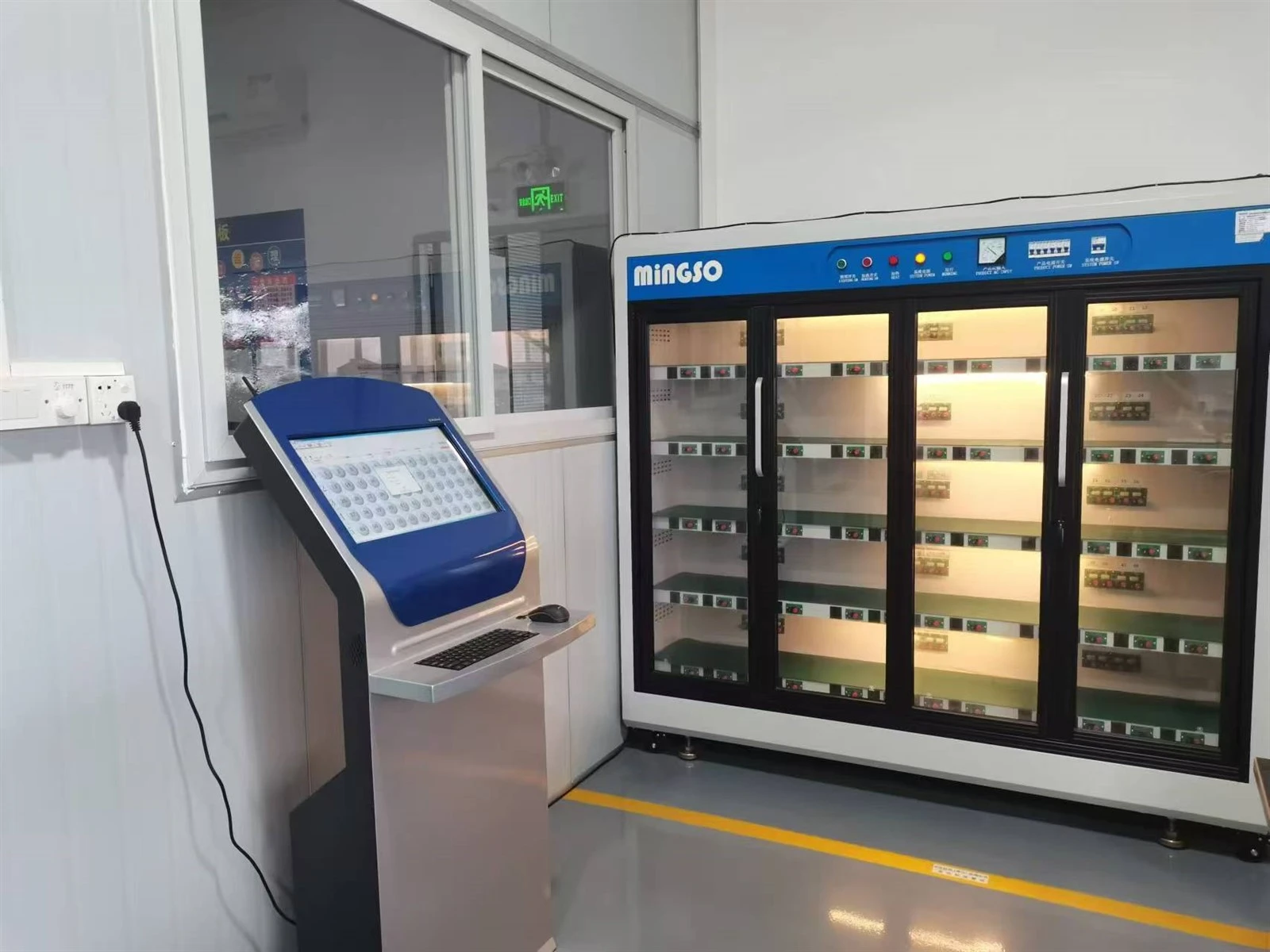
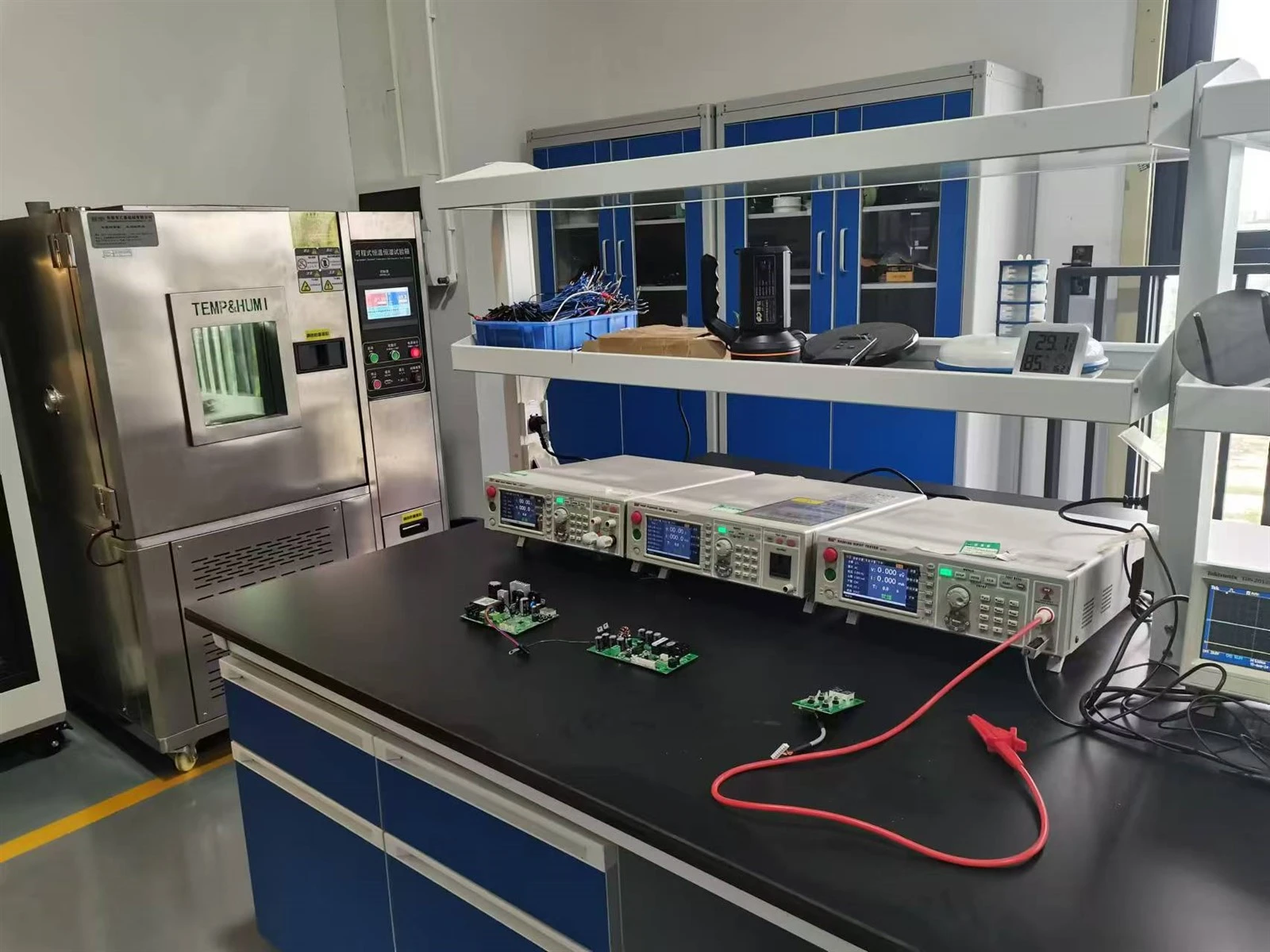
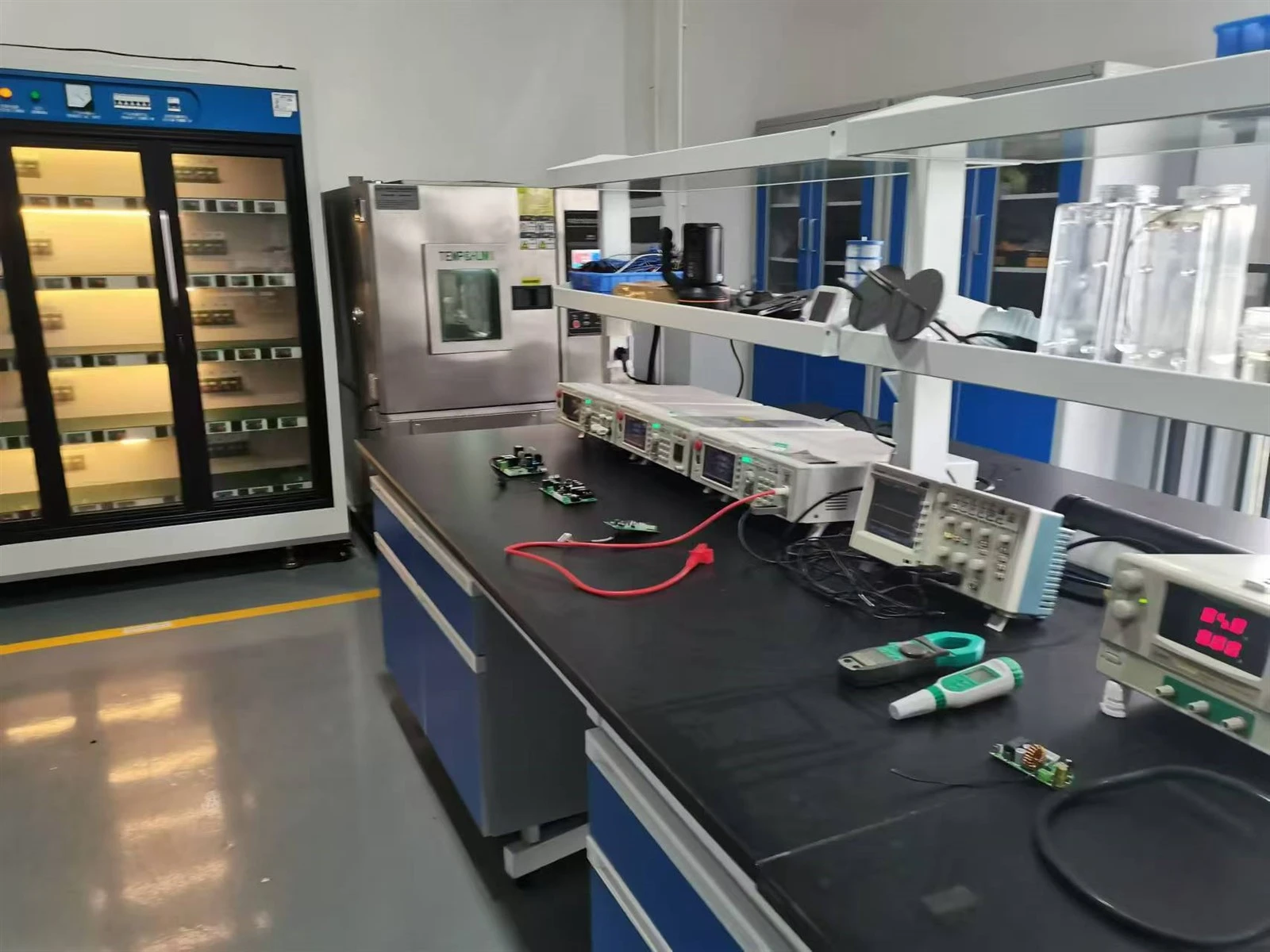
5. Multi-Stress Validation & Testing |
Accelerated life testing, continuous wet electrolysis under extreme salinity/temperatures, thermal burn-in, and vibration/drop stress tests. |
Complete test validation dossier ensuring stable performance and international compliance readiness. |
Engineering Considerations Behind Salt Chlorinator Design
A high-performing salt chlorine generator must balance several competing physical and chemical forces. HOTOOK's engineering team focuses on five primary technical pillars during the design process:
1. Electrolytic Efficiency and Chlorine Output Accuracy
The core reaction in salt chlorination ($2\text{NaCl} + 2\text{H}_2\text{O} \rightarrow \text{Cl}_2 + \text{H}_2 + 2\text{NaOH}$) requires precise current density management. If the current is too low, chlorine output falls below rated specifications; if current density is too high, precious metal coatings degrade prematurely.
HOTOOK engineers constant-current power modules that maintain steady, rated chlorine production (g/h) even when water conductivity fluctuates due to temperature changes or shifting salt concentrations.
2. Hydraulic Cell Chamber & Plate Geometry Design
Water flow dynamics inside the cell housing dictate both self-cleaning efficacy and plate longevity. Poorly engineered chambers suffer from 'dead zones' where hydrogen gas pockets accumulate, insulating titanium plates and causing localized overheating.
HOTOOK utilizes Computational Fluid Dynamics (CFD) to design streamlined cell chambers. This ensures uniform velocity across every titanium blade, sweeping away gas bubbles instantly and promoting even wear across the active coating surface.
3. Electrical and Operational Stability
Outdoor pool control panels encounter severe electrical stress: lightning surges, grid voltage fluctuations, and high internal heat dissipation. HOTOOK engineers its electronic controllers with multi-stage surge protection, industrial-grade power MOSFETs, heavy-duty aluminum heat-sinks, and moisture-resistant conformal PCB coatings to prevent short circuits.
4. Resilience to Variable Temperature, Salinity, and Flow
Pool water conditions are never static. In midsummer, water temperatures can exceed 35°C; during rainy seasons, salt levels dilute rapidly. HOTOOK's control algorithms incorporate intelligent micro-adjustments: automatically scaling duty cycles in cold water to prevent plate stripping, and alerting operators if salinity drops below optimal operating thresholds.
5. Tool-Free Maintenance and Maximized Service Life
Serviceability is built directly into HOTOOK's mechanical design. From transparent cell housings that permit visual inspection of plate scaling without disassembly, to universal union fittings and reverse-polarity self-cleaning cycles that dissolve calcium deposits automatically, HOTOOK reduces routine maintenance time for pool owners and service technicians.
From Small Residential Pools to Large Commercial Applications
Different pool installations have vastly different hydraulic pressures, runtime demands, and automation requirements. HOTOOK's R&D matrix categorizes product development into three targeted equipment series:
SCS Series (2–10 g/h) – Residential Spas & Compact Pools: Developed for above-ground pools, swim spas, and hot tubs. The engineering priority was creating an all-in-one, ultra-compact footprint that incorporates the power driver, cell, and safety flow switch into a single plug-and-play unit.
SCL Series (8–50 g/h) – Mainstream In-Ground Residential Pools: The core residential in-ground workhorse. Engineered for durability, high daily turnover, and versatile installation, featuring heavy-duty reverse polarity titanium cells, clear diagnostics, and multi-mode chlorine output management.
SCP Series (15–50 g/h) – Premium Smart Pools & Light Commercial: Our flagship smart automation chlorinator. Engineered for high-end residential estates, boutique resorts, and light commercial facilities, integrating variable-speed pump synchronization, automated peristaltic pH dosing control, and cloud-based IoT connectivity.
Integrating Smart Control Technology into Pool Disinfection
The modern pool equipment market has moved beyond standalone devices. Today's commercial buyers and high-end consumers demand unified, intelligent plant room management.
HOTOOK's electronics R&D division has placed smart pool automation at the core of our technology roadmap. Key smart engineering capabilities include:
Pump-Chlorinator Synchronization: Integrated control algorithms allow the salt chlorinator to communicate seamlessly with filtration pumps, ensuring the chlorinator only activates when adequate circulation flow is verified.
Automated pH & ORP Dosing Integration: Optional integrated or networked sensor modules continuously read water pH levels and command micro-dosing peristaltic pumps to maintain ideal chemical equilibrium automatically.
Multi-Protocol Smart Connectivity: Equipped with RS485 / Modbus industrial protocols and Wi-Fi/Bluetooth IoT modules, allowing users and facility managers to monitor water parameters, adjust chlorination rates, and receive maintenance alerts directly via smartphone apps or central building management systems.
Continuous Product Improvement and Technical Innovation
True manufacturing leadership is not static. At HOTOOK, product development is an ongoing, closed-loop cycle. We systematically gather field data from our international OEM/ODM partners, analyzing service logs, environmental failure points, and regional regulatory trends.
This feedback directly informs the next generation of mold improvements, firmware patches, and electrochemical coating formulations. By choosing an R&D-driven salt chlorinator factory, global pool brands secure a resilient, future-ready supply chain capable of leading the market rather than reacting to it.
Frequently Asked Questions
1. Why is R&D important for a salt chlorinator manufacturer?
A salt chlorinator is an electrochemical reactor running high-current power electronics in harsh outdoor environments. In-house R&D ensures precise current density control, efficient cell hydraulics, durable titanium plate coatings, and stable power supplies that prevent premature field failures.
2. How does product design affect salt chlorinator performance?
Product design dictates internal water flow velocity, gas bubble evacuation, heat dissipation, and water resistance. A well-engineered cell housing eliminates dead zones that cause scale buildup and localized plate overheating, while an IPX5 control chassis protects internal electronics from moisture and thermal stress.
3. What factors influence chlorine production efficiency?
Key factors include the precious metal formulation and thickness of the Ruthenium-Iridium MMO coating on titanium plates, constant-current power supply stability, optimal water salinity levels, water temperature, and uniform hydraulic flow across the plate surface.
4. How do manufacturers improve electrolytic cell reliability?
Leading manufacturers use certified Grade 1 titanium substrates, proprietary multi-layer dip-coating techniques with thermal baking, reverse-polarity self-cleaning firmware algorithms, and rigorous wet electrolysis burn-in testing under elevated salinity and temperature conditions.
5. What is the role of smart control technology in pool disinfection?
Smart control technology coordinates the chlorinator with circulation pumps and pH dosing systems. It prevents hazardous gas accumulation during pump downtime, maintains balanced water chemistry automatically, and provides remote monitoring and maintenance alerts via mobile IoT platforms.
6. How does HOTOOK develop new pool disinfection products?
HOTOOK follows a structured five-stage engineering process: market requirement research, 3D CAD/CFD hydraulic modeling, electrochemical cell optimization, embedded firmware development, and extensive multi-stress environmental testing before initiating mass production.