



Guide to Selecting Swimming Pool Lighting: Why LEDs Offer the Best Balance of Energy Efficiency and Cost-Effectiveness?
Initial Investment vs. Long-Term Return: Unlocking the Value of LED Lights
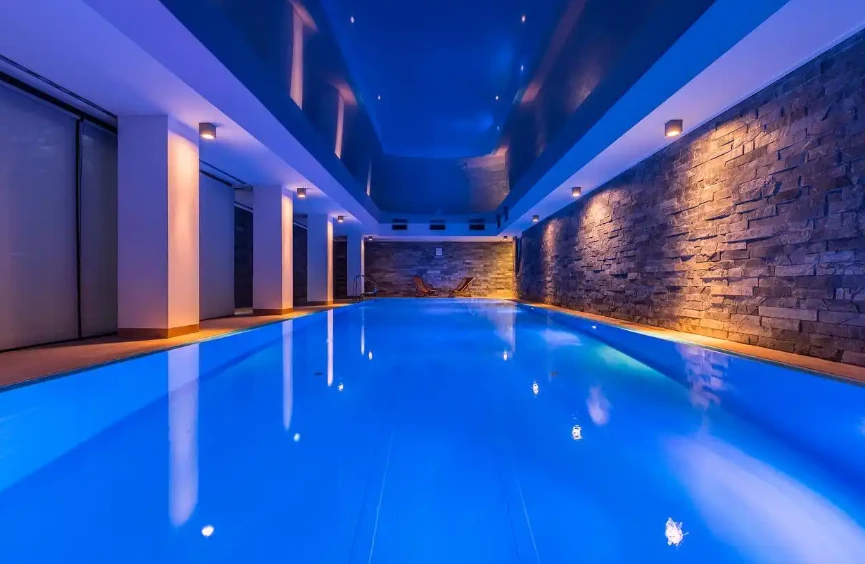
A comparison of upfront costs and operational lifespans reveals the key advantages of LED pool lights: despite a purchase price 30%–50% higher than that of halogen lights, their exceptional 50,000-hour lifespan and 15-year warranty drastically reduce the frequency of replacements. Calculations based on commercial pool case studies show electricity savings exceeding 60%, highlighting the fundamental logic of "amortizing costs over time."
The Hidden Costs of Halogen Lamps: Why "Cheap" Ends Up Being More Expensive?
Breaking Down the True Cost of Using Halogen Lamps:
1. Energy Consumption Pit: At the same brightness level, power consumption is three times that of LED lamps; in commercial settings.
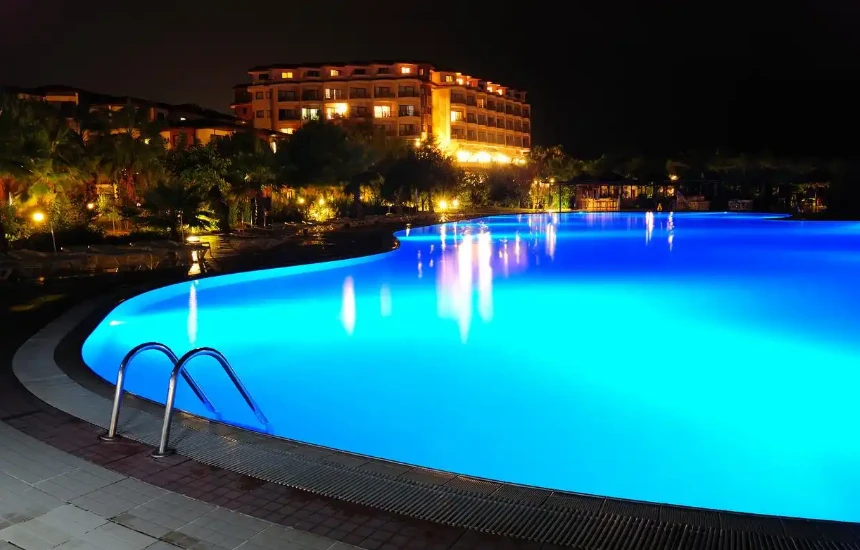
2. The Maintenance Trap: Units require replacement 23 times a year, yet most owners overlook the associated labor costs and losses due to downtime. A comparison with actual hotel pool utility bills exposes the dangers of the "illusion of low cost."
The Environmental Paradox of Solar Lights: The Gap Between Ideal and Reality
An objective analysis of the limitations of solar lights:
Stability issues: Lighting interruptions during overcast or rainy weather necessitate a conventional backup power supply.
Higher long-term costs: Hidden expenses-such as cleaning photovoltaic panels and replacing batteries-result in long-term costs that are 200% higher than those of LED lights (based on industry report data). It is noted that this solution is suitable only for landscape pools where sunlight is abundant and lighting is not a critical necessity.
Decision-making model for commercial pool lighting
Practical formulas for selecting lights:
1. Cost dimension: Calculate the 5-year Total Cost of Ownership (TCO), comprising procurement, installation, electricity, and maintenance;
2. Risk dimension: Evaluate the waterproof rating (IP68 as the minimum standard) and voltage safety (12V/24V transformers are essential);
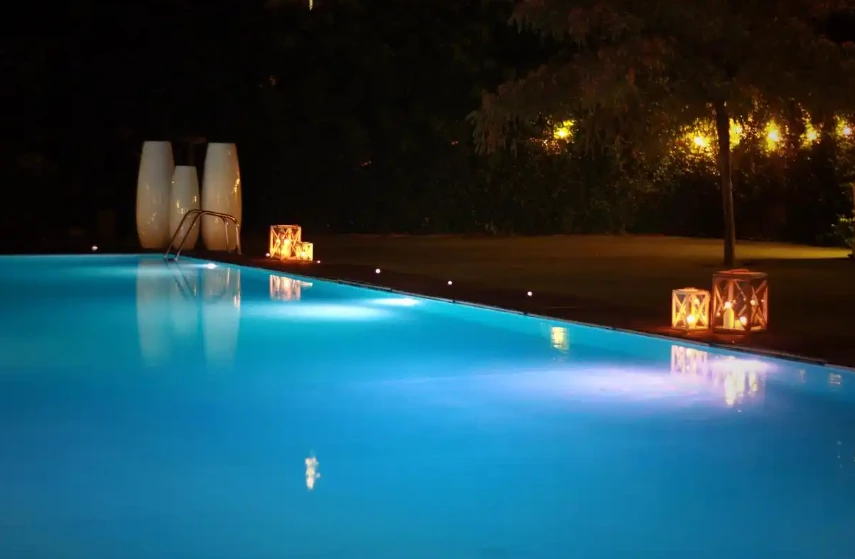
3. Experience Dimension: We recommend tiered color temperature control (4000K–6500K)-using cool white light in deep-water areas to enhance visibility, and warm white light in shallow areas to create ambiance.
Conclusion: Create value through lighting rather than merely incurring costs.
We reiterate the virtuous cycle of LED lighting-characterized by higher initial investment but lower operating costs-and urge owners to look beyond short-term price comparisons to focus on full-lifecycle returns. Quick Decision Checklist included: three essential criteria to verify-warranty period, IP rating, and color temperature adjustability.