



LED pool lights are no longer an unfamiliar sight to people today.
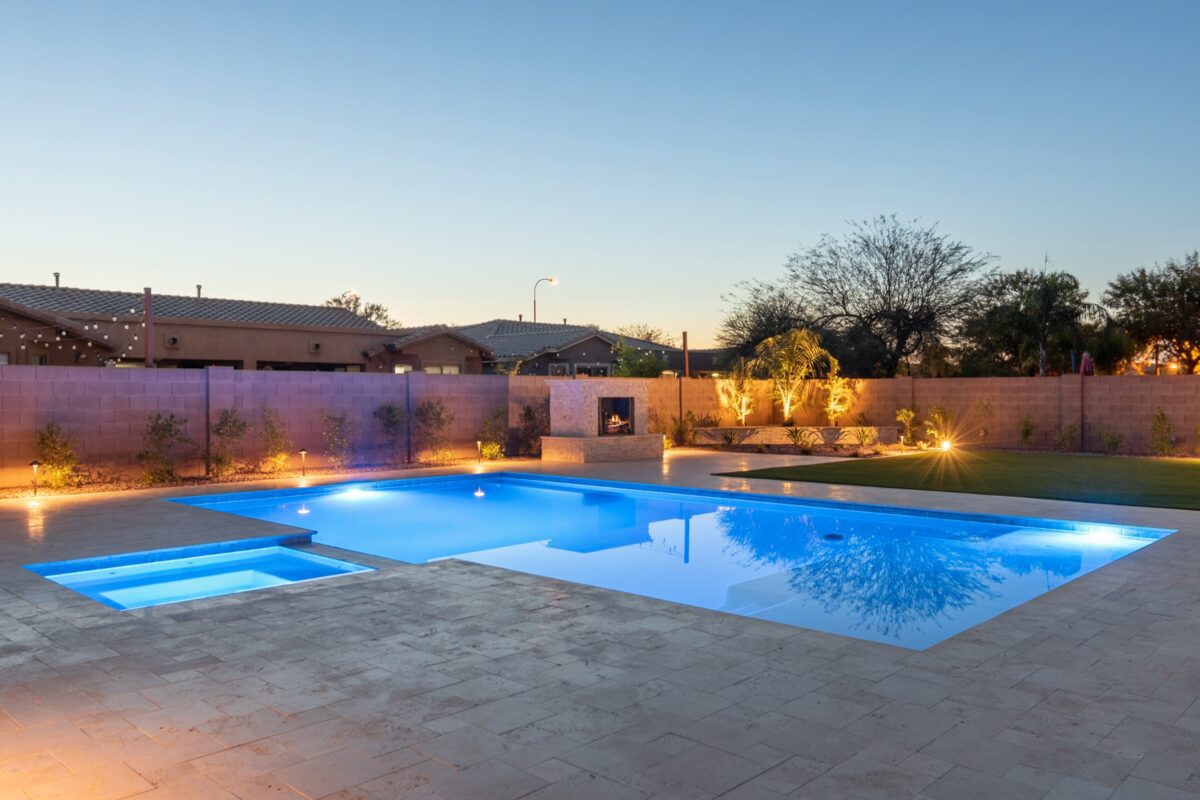
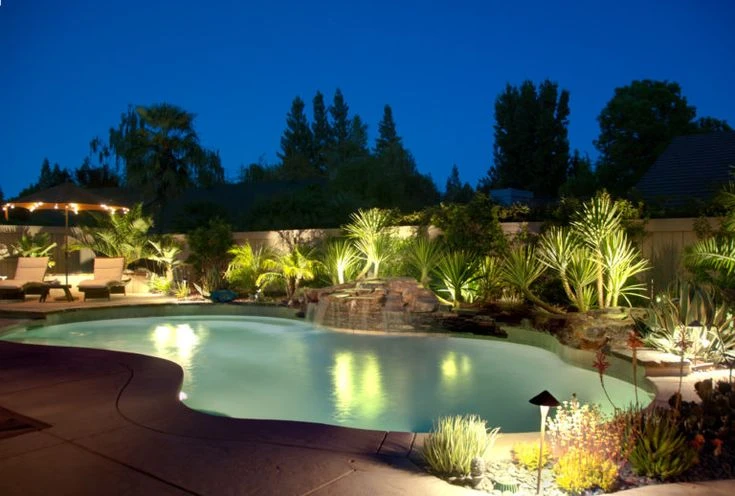
With the continuous advancement of LED technology, these lights are appearing increasingly often in the public eye; many people purchase them to decorate their courtyards and pools, adding a splash of color to their evening lifestyle.
Some buyers of lighting fixtures have even acquired a fair amount of knowledge-happily holding forth on styles, color temperatures, and the like as if they were industry experts. But do you *really* understand pool lighting?
Today, let's explore three little-known facts about LED pool lights.
1. So-called stainless steel lighting fixtures can also rust!
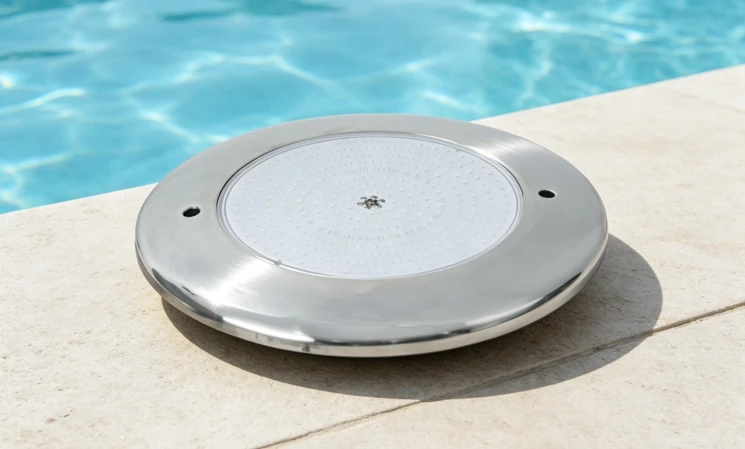
Everyone is familiar with the surface materials used for pool lights-typically stainless steel or plastic. While the nature of PC plastic is well understood, you might be surprised to learn that stainless steel can also rust or discolor.
In reality, there are various grades of stainless steel; for standard pools, Grade 304 stainless steel often provides adequate corrosion and rust resistance.
However, for saltwater pools, it is advisable to select a more suitable grade-such as 316 or 316L-to ensure superior resistance to rust and corrosion.
2. The wiring of lamps and lanterns is truly waterproof only if they are waterproof.
While LED underwater lights are indeed waterproof, water can still seep in if the wiring connections are not properly sealed.
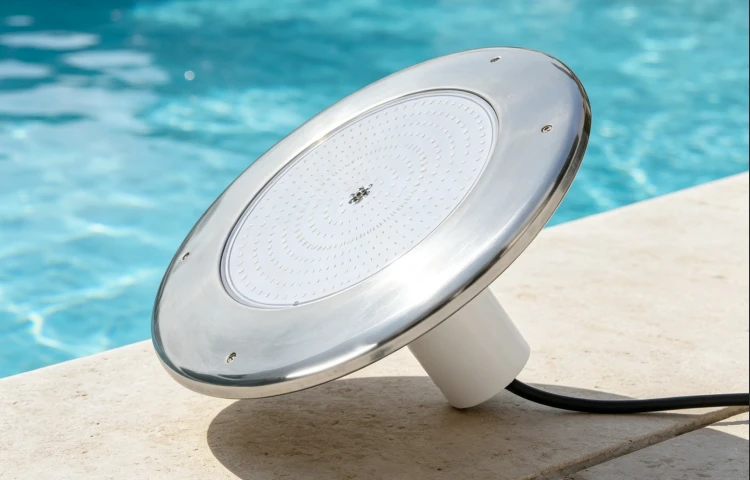
The fixture's embedded housing requires a flexible conduit extending outside the pool; furthermore, the connection between the electrical wiring and the conduit must be thoroughly waterproofed. Otherwise, a siphoning effect could occur-even if the conduit is positioned above the water line.
3. Lights of different colors have different underwater projection distances!
Colorful lights are beautiful, but do you know which color offers the best visibility when shining into water? Yellow light provides clear visibility underwater.
A light's penetrating power is determined by its frequency; the higher the frequency, the stronger the penetration. Among visible light colors, violet has the highest frequency. However, yellow light possesses strong penetrating power-yellow is considered the purest color-allowing it to pierce the water's surface and reach significant depths.
Light with longer wavelengths is prone to diffraction; among the seven colors of the spectrum, red light has the longest wavelength and thus the greatest penetrating power. Consequently, red lights are used for marine navigational beacons and as indicator lights at airfields.
However, red light is not ideal for general illumination; light waves with medium wavelengths tend to be most effective at stimulating the eye's photoreceptor cells.
Yellow light has a longer wavelength than green, blue, or violet light, giving it superior penetrating power, yet it offers better brightness than red light. Therefore, the choice of yellow light for fog lamps leverages these two specific characteristics of light waves.
HOTOOK Pool Lighting:
So, those are the three pieces of trivia we've shared today-interesting, aren't they? Even industry insiders might not be aware of these little-known facts. Want to learn more fascinating details about LED pool lighting? For more engaging and professional content on pool lighting, look no further than HOTOOK.