

A pool filter system is an essential component of any swimming pool, ensuring that the water remains clean, clear, and safe for swimmers. Among the various parts that make up a pool filter system, the flow meter plays a crucial role. As a supplier of pool filter systems, I have seen firsthand how a flow meter can impact the performance and efficiency of these systems. In this blog post, I will delve into the role of a flow meter in a pool filter system and explain why it is a vital part of maintaining a healthy pool.
Understanding the Basics of a Pool Filter System
Before we discuss the role of a flow meter, it's important to understand how a pool filter system works. A typical pool filter system consists of a pump, a filter, and a series of pipes and valves. The pump is responsible for circulating the water from the pool through the filter, where contaminants such as dirt, debris, and microorganisms are removed. The clean water is then returned to the pool.
There are different types of pool filters available, including sand filters, cartridge filters, and diatomaceous earth (DE) filters. Each type has its own advantages and disadvantages, but they all serve the same purpose of removing impurities from the pool water.
The Importance of Water Flow in a Pool Filter System
Water flow is a critical factor in the operation of a pool filter system. The rate at which water flows through the filter determines how effectively it can remove contaminants. If the water flow is too slow, the filter may not be able to capture all the impurities, resulting in cloudy or dirty water. On the other hand, if the water flow is too fast, the filter may become overwhelmed, and some contaminants may pass through without being removed.
Maintaining the correct water flow rate is also important for the longevity of the filter. Excessive water flow can cause the filter media to wear out more quickly, reducing its effectiveness and increasing the need for frequent replacements. Additionally, improper water flow can put additional stress on the pump, leading to premature failure and costly repairs.
What is a Flow Meter?
A flow meter is a device that measures the rate of water flow in a pool filter system. It provides real-time information about the volume of water passing through the system, allowing pool owners and operators to monitor and adjust the water flow as needed.
There are several types of flow meters available, including mechanical flow meters, electronic flow meters, and ultrasonic flow meters. Each type has its own unique features and benefits, but they all serve the same purpose of measuring water flow.
The Role of a Flow Meter in a Pool Filter System
Now that we understand the basics of a pool filter system and the importance of water flow, let's take a closer look at the role of a flow meter in this system.
Monitoring Water Flow
One of the primary functions of a flow meter is to monitor the water flow rate in the pool filter system. By providing accurate and real-time information about the flow rate, the flow meter allows pool owners and operators to ensure that the system is operating at the optimal level.
If the flow rate is too low, the flow meter will alert the user, indicating that there may be a problem with the pump, filter, or pipes. This allows the user to take corrective action before the water quality deteriorates or the system suffers damage.
On the other hand, if the flow rate is too high, the flow meter will also provide a warning. This could indicate that the filter is clogged or that there is a problem with the pump or valves. By adjusting the water flow rate, the user can prevent damage to the system and ensure that the filter is working efficiently.
Optimizing Filter Performance
In addition to monitoring water flow, a flow meter can also help optimize the performance of the pool filter. By providing information about the water flow rate, the flow meter allows pool owners and operators to adjust the filter settings to ensure that it is operating at the optimal level.
For example, if the flow meter indicates that the water flow rate is too low, the user can increase the speed of the pump or adjust the valves to increase the water flow. This will help the filter capture more contaminants and improve the overall water quality.
Conversely, if the flow meter indicates that the water flow rate is too high, the user can decrease the speed of the pump or adjust the valves to reduce the water flow. This will prevent the filter from becoming overwhelmed and ensure that it is working effectively.

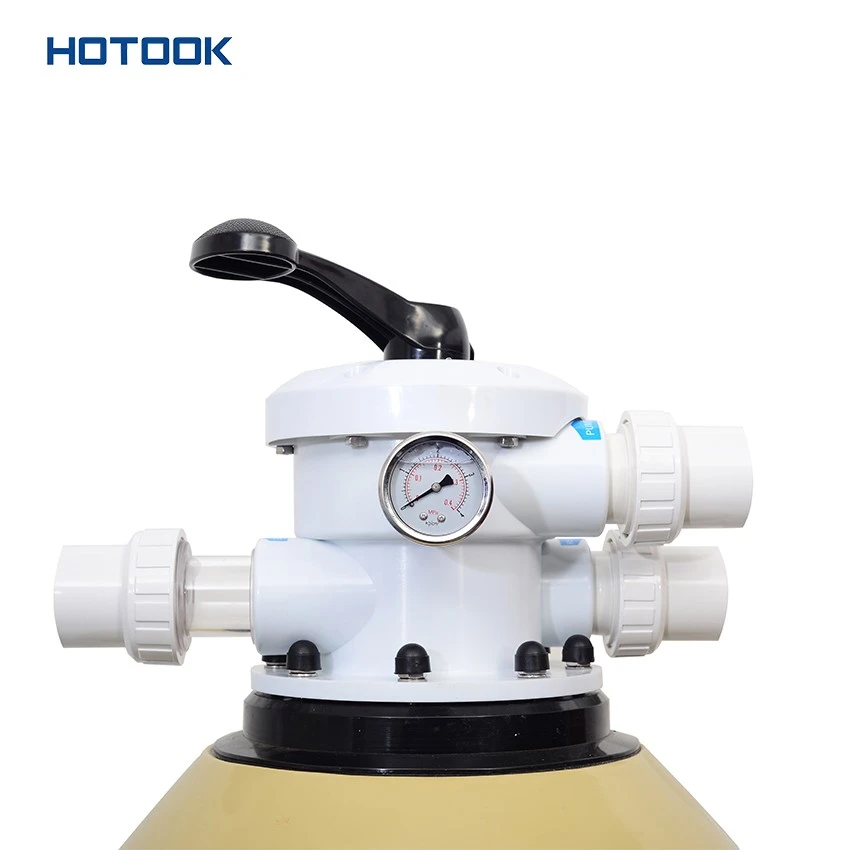
Preventing System Damage
Another important role of a flow meter is to prevent damage to the pool filter system. By monitoring the water flow rate, the flow meter can detect any abnormal changes in the system, such as a sudden drop in flow rate or an increase in pressure.
These changes could indicate a problem with the pump, filter, or pipes, such as a clog or a leak. By alerting the user to these issues, the flow meter allows them to take corrective action before the problem becomes more serious and causes damage to the system.
Energy Efficiency
A flow meter can also help improve the energy efficiency of the pool filter system. By providing information about the water flow rate, the flow meter allows pool owners and operators to adjust the pump speed and other settings to ensure that the system is using the minimum amount of energy required to maintain the desired water flow rate.
This can result in significant energy savings over time, reducing the operating costs of the pool filter system and making it more environmentally friendly.
Choosing the Right Flow Meter for Your Pool Filter System
When choosing a flow meter for your pool filter system, there are several factors to consider. These include the type of pool filter system you have, the size of your pool, the flow rate requirements of your system, and your budget.
It's important to choose a flow meter that is compatible with your pool filter system and can provide accurate and reliable measurements. You should also consider the features and benefits of different flow meters, such as ease of installation, maintenance requirements, and durability.
As a supplier of pool filter systems, we offer a wide range of flow meters to meet the needs of different pool owners and operators. Our flow meters are designed to be easy to install and use, and they provide accurate and reliable measurements of water flow.
If you're interested in learning more about our flow meters or other pool filter system components, please visit our website at Pool Gelcoat Sand Filter Top Mounted, Pool Top Mounted Gelcoat Sand Filter, or Side Mounted Gelcoat Pool Sand Filter.
Conclusion
In conclusion, a flow meter is a vital component of a pool filter system. It plays a crucial role in monitoring water flow, optimizing filter performance, preventing system damage, and improving energy efficiency. By providing accurate and real-time information about the water flow rate, the flow meter allows pool owners and operators to ensure that their pool filter system is operating at the optimal level.
If you're a pool owner or operator, I encourage you to consider installing a flow meter in your pool filter system. It's a small investment that can make a big difference in the performance and efficiency of your system, and it can help you maintain a clean, clear, and safe swimming pool for years to come.
If you have any questions or would like to discuss your pool filter system needs, please don't hesitate to contact us. We're here to help you find the right solutions for your pool.
References
- "Pool Filter Systems: How They Work and Why They're Important." The Spruce, 2023.
- "Flow Meters: Types, Applications, and Selection Criteria." Engineering ToolBox, 2023.
- "The Importance of Water Flow in a Pool Filter System." Pool and Spa News, 2023.