

As a supplier of Circulating Submersible Pumps, I often receive inquiries from customers about whether these pumps can be used in wells. This is a question that requires a comprehensive analysis, taking into account various factors such as the pump's design, well conditions, and intended use. In this blog post, I will delve into the details to help you understand if a circulating submersible pump is suitable for your well.
Understanding Circulating Submersible Pumps
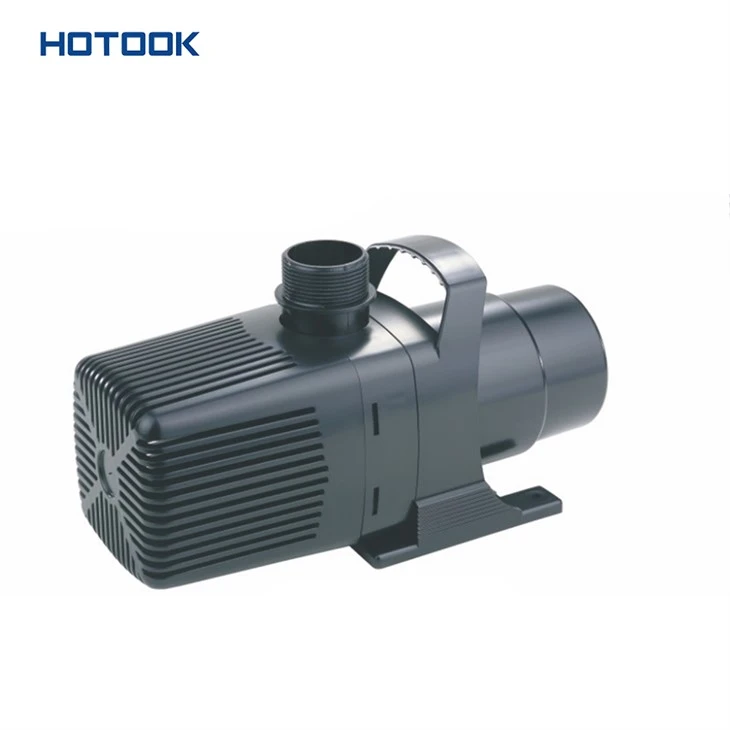
Circulating submersible pumps are designed to operate underwater, typically in ponds, fountains, or other water features. Their primary function is to circulate water, ensuring proper oxygenation and preventing stagnation. These pumps are known for their energy - efficiency, quiet operation, and compact design. They are often used in applications where a continuous flow of water is required to maintain a healthy aquatic environment.
One of the key features of circulating submersible pumps is their ability to handle relatively low - head applications. Head refers to the vertical distance that the pump needs to lift the water. Circulating pumps are optimized for short - distance water movement, which is ideal for maintaining water circulation in a confined space.
You can explore our range of circulating submersible pumps by clicking on the following link: Circulating Submersible Pump.
Well Conditions and Requirements
Wells, on the other hand, have different requirements compared to ponds or fountains. The depth of the well is a crucial factor. Wells can range from shallow to very deep, and the pump needs to be able to lift the water from the water level in the well to the surface. The water quality in wells can also vary significantly. Some wells may have high levels of sediment, minerals, or other contaminants, which can affect the pump's performance and lifespan.
In addition, the flow rate required from a well pump depends on the intended use. For domestic water supply, a certain minimum flow rate is needed to meet the household's daily water consumption. For irrigation purposes, a higher flow rate may be required to cover a larger area.
Advantages of Using a Circulating Submersible Pump in a Well
- Energy Efficiency: Circulating submersible pumps are generally energy - efficient. Since they are designed to operate underwater, they do not have to work against gravity as much as above - ground pumps. This can result in lower energy consumption, which is beneficial in the long run, especially if the pump is running continuously.
- Quiet Operation: These pumps operate quietly, which is an advantage if the well is located near a residential area. There is no need to worry about the noise disturbing the peace of the surroundings.
- Compact Design: The compact design of circulating submersible pumps makes them easy to install in wells, especially in situations where space is limited.
Limitations of Using a Circulating Submersible Pump in a Well
- Head Capacity: As mentioned earlier, circulating submersible pumps are designed for low - head applications. If the well is very deep, the pump may not have enough power to lift the water to the surface. In such cases, a pump with a higher head capacity, such as a deep - well submersible pump, may be more suitable.
- Water Quality: Some circulating submersible pumps may not be able to handle high - sediment or high - mineral content water. The sediment can clog the pump's impeller or other components, leading to reduced performance or even pump failure. Specialized pumps with better sediment - handling capabilities may be required for wells with poor water quality.
- Flow Rate: If the well is used for high - demand applications such as large - scale irrigation, the flow rate provided by a circulating submersible pump may not be sufficient.
Assessing Suitability
To determine if a circulating submersible pump can be used in a well, the following steps can be taken:
- Measure the Well Depth: Determine the vertical distance from the water level in the well to the surface. This will help you understand the head requirements for the pump.
- Analyze Water Quality: Have the water in the well tested to determine the levels of sediment, minerals, and other contaminants. This will help you choose a pump that can handle the specific water conditions.
- Calculate the Required Flow Rate: Based on the intended use of the well water, calculate the minimum flow rate needed. This will ensure that the pump can meet your water demand.
Other Considerations
If you decide to use a circulating submersible pump in a well, it is important to install a proper filtration system. A good filtration system can help protect the pump from sediment and other contaminants, extending its lifespan. Regular maintenance is also essential. This includes checking the pump's performance, cleaning the filter, and inspecting the electrical connections.
Related Products for Well Applications
In addition to circulating submersible pumps, we also offer other types of pumps that may be suitable for well applications. For example, our Stamping Submersible Pond Pump and Fish Pond Small Submersible Pond Pump have different features and capabilities that may meet your specific needs.
Conclusion
In conclusion, a circulating submersible pump can be used in a well under certain conditions. If the well is relatively shallow, the water quality is good, and the flow rate requirements are not too high, a circulating submersible pump can be a viable option. However, it is crucial to carefully assess the well conditions and requirements before making a decision.
If you are considering using a circulating submersible pump in your well or have any questions about our products, we encourage you to contact us for a detailed discussion. Our team of experts can provide you with personalized advice and help you choose the most suitable pump for your needs.

References
- ASABE Standards. (2019). Agricultural and Biological Engineering Standards. American Society of Agricultural and Biological Engineers.
- Pump Handbook. (2004). Edited by Igor Karassik et al. McGraw - Hill.