

As a supplier of fiberglass filters, I am often asked whether fiberglass filters can be used in ventilation systems. In this blog post, I will delve into the characteristics of fiberglass filters and explore their suitability for ventilation systems.
What Are Fiberglass Filters?
Fiberglass filters are made from fine glass fibers that are randomly arranged to form a porous structure. These filters come in different types, such as disposable fiberglass panel filters and more durable, higher - efficiency fiberglass filters. They are known for their relatively low cost and wide availability.
Advantages of Fiberglass Filters in Ventilation Systems
1. Cost - Effectiveness
One of the most significant advantages of fiberglass filters is their low cost. For large - scale ventilation systems, especially in commercial and industrial settings where multiple filters are required, the cost factor plays a crucial role. Fiberglass filters offer an affordable option without sacrificing basic filtration functionality. This makes them an attractive choice for budget - conscious customers who need to maintain a large number of ventilation units.
2. Initial Filtration Efficiency
Fiberglass filters can effectively capture large particles such as dust, lint, and some pollen. In ventilation systems, these large particles can cause blockages in ducts and equipment over time. By removing them at the initial stage, fiberglass filters help to protect the ventilation system from premature wear and tear. For example, in an office building, fiberglass filters can prevent dust from accumulating on the ventilation fans and coils, ensuring smooth operation.
3. Easy Installation
Fiberglass filters are generally lightweight and easy to install. They come in standard sizes that can fit most ventilation system filter housings. This ease of installation reduces labor costs and downtime during filter replacement. Maintenance staff can quickly swap out old fiberglass filters with new ones, minimizing disruptions to the ventilation system's operation.
Limitations of Fiberglass Filters in Ventilation Systems
1. Low Efficiency for Small Particles
While fiberglass filters are effective at capturing large particles, they have limited efficiency when it comes to small particles such as fine dust, smoke, and bacteria. In environments where air quality is a major concern, such as hospitals, laboratories, and clean rooms, the low efficiency of fiberglass filters may not meet the required standards. These small particles can pose health risks to occupants and may also contaminate sensitive equipment.
2. Short Lifespan
Fiberglass filters tend to have a relatively short lifespan compared to other types of filters. As they accumulate particles, their resistance to air flow increases, which can lead to reduced ventilation system performance. This means that they need to be replaced more frequently, which can add to the long - term operating costs. For example, in a high - traffic area, a fiberglass filter may need to be replaced every 1 - 2 months, while a more advanced filter could last 6 months or more.
3. Structural Integrity
The structural integrity of fiberglass filters can be a concern in some ventilation systems. In systems with high air velocities or fluctuating air pressures, the fiberglass fibers may break or become dislodged, leading to a decrease in filtration efficiency. This can also result in the release of glass fibers into the air stream, which is a potential health hazard.
Applications of Fiberglass Filters in Ventilation Systems
Residential Ventilation
In residential ventilation systems, fiberglass filters are commonly used due to their low cost and basic filtration capabilities. They can help to keep the air in homes relatively clean by removing large dust particles and some allergens. For example, in a family home, a fiberglass filter can prevent dust from settling on furniture and electronics, improving the overall living environment.
Commercial Ventilation in Low - Risk Areas
In commercial buildings such as retail stores and warehouses, where air quality requirements are not as stringent, fiberglass filters can be a suitable choice. These environments typically have a lower risk of contamination from small particles, and the main concern is to prevent large debris from entering the ventilation system. Fiberglass filters can effectively perform this function at a low cost.
Our Fiberglass Filter Products
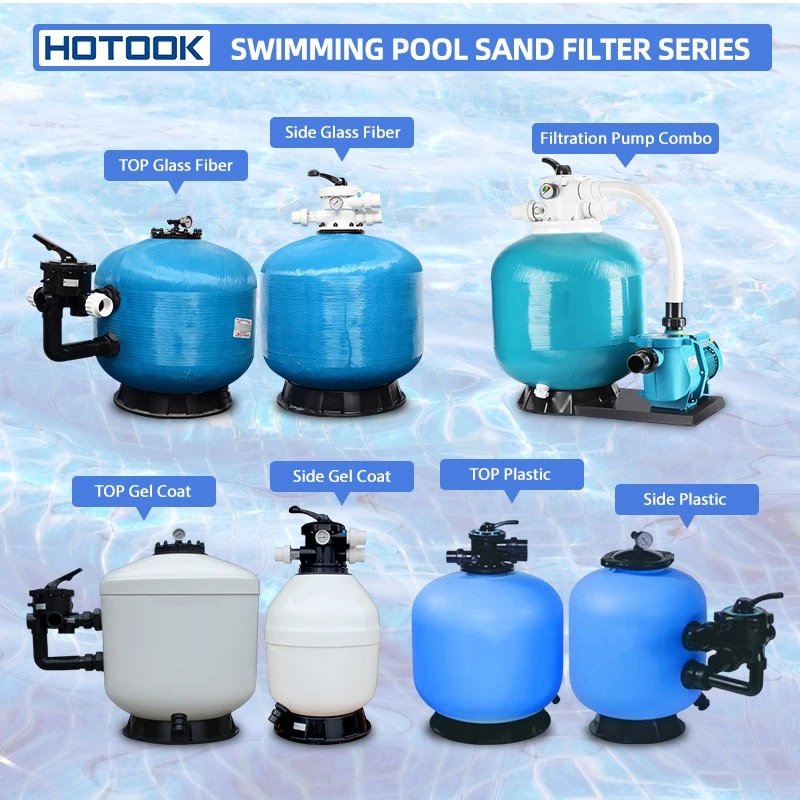
As a supplier, we offer a wide range of fiberglass filter products suitable for various ventilation systems. Our Bobbin - Wound Fiberglass Sand Filter is designed with a unique bobbin - wound structure, which provides enhanced filtration performance and durability. It is suitable for both residential and commercial ventilation systems.
Our Bobbin Wound Fiberglass Top Mount Sand Filter is specifically designed for top - mount applications in ventilation systems. It offers easy access for maintenance and can effectively filter out large particles, ensuring the smooth operation of the ventilation system.
For commercial pool ventilation systems, our Pool Commercial Fiber Glass Sand Filter is an ideal choice. It can handle the unique filtration requirements of pool environments, such as removing chlorine - related particles and debris.
Conclusion
Fiberglass filters can be used in ventilation systems, but their suitability depends on the specific requirements of the application. In low - risk environments where cost is a major concern and the focus is on removing large particles, fiberglass filters are a viable option. However, in environments with high air quality standards, more advanced filtration solutions may be necessary.
If you are considering using fiberglass filters in your ventilation system or have any questions about our products, we encourage you to contact us for a detailed consultation. Our team of experts can help you select the most appropriate filter for your specific needs and provide guidance on installation and maintenance.

References
- ASHRAE (American Society of Heating, Refrigerating and Air - Conditioning Engineers). "Ventilation for Acceptable Indoor Air Quality." ASHRAE Standard 62.1.
- "Filtration Handbook." McGraw - Hill Professional.