

As a supplier of Swimming Pool Spa Air Blowers, I've witnessed firsthand the importance of understanding the starting mechanism of these essential devices. In this blog, I'll delve into the details of how a swimming pool spa air blower starts, exploring the components, processes, and factors that contribute to its successful operation.
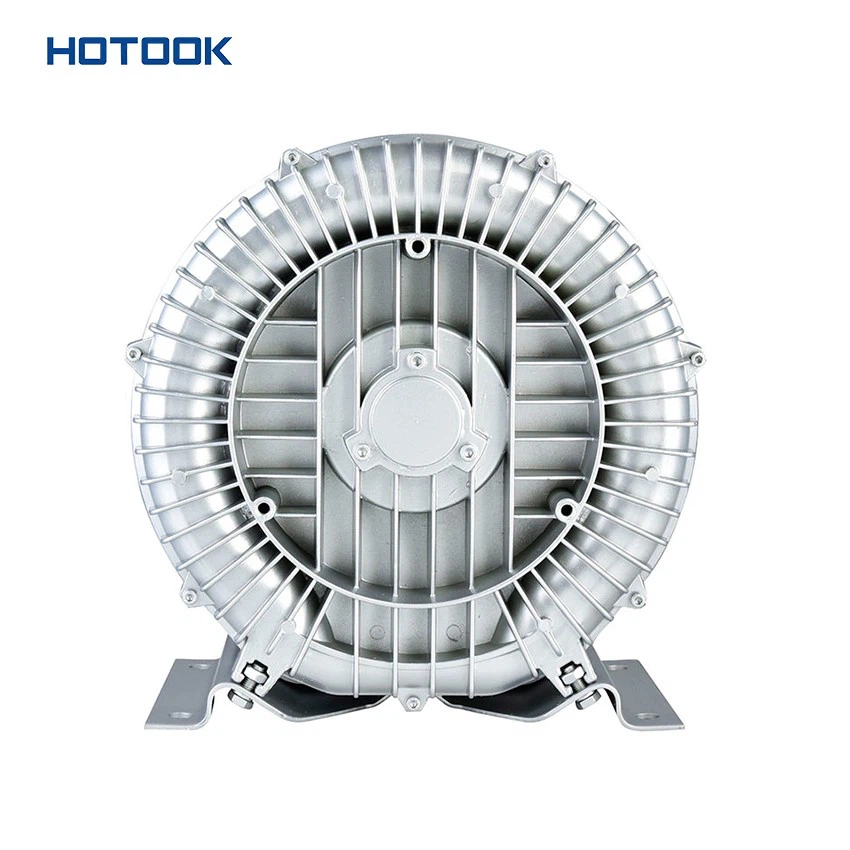
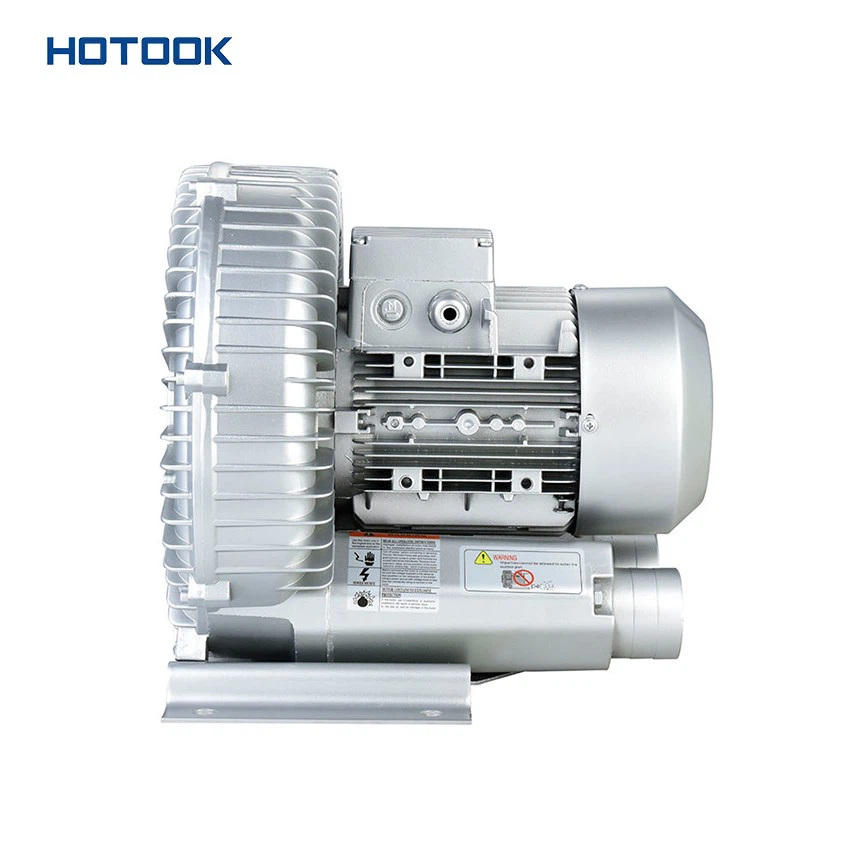
Components of a Swimming Pool Spa Air Blower
Before we discuss the starting mechanism, it's crucial to understand the key components of a swimming pool spa air blower. These components work together to generate and deliver the necessary air flow for a relaxing and enjoyable spa experience.
- Motor: The motor is the heart of the air blower, providing the power to drive the impeller. It converts electrical energy into mechanical energy, which is then used to rotate the impeller at high speeds.
- Impeller: The impeller is a rotating component with blades that are designed to draw in air and increase its pressure. As the impeller rotates, it creates a centrifugal force that pushes the air towards the outer edges of the blower housing.
- Housing: The housing encloses the motor and impeller, providing a protective casing and directing the flow of air. It is typically made of durable materials such as plastic or metal to withstand the harsh conditions of a swimming pool spa environment.
- Inlet and Outlet Ports: The inlet port is where the air enters the blower, while the outlet port is where the pressurized air exits. These ports are designed to ensure efficient air intake and delivery, minimizing any restrictions or losses in the system.
- Control Panel: The control panel allows the user to operate the air blower, adjusting the speed and other settings as needed. It may include buttons, switches, or a digital display for easy control and monitoring.
Starting Mechanism of a Swimming Pool Spa Air Blower
The starting mechanism of a swimming pool spa air blower involves several steps, each crucial for ensuring a smooth and reliable start. Here's a detailed breakdown of the process:
- Power Supply: The first step is to connect the air blower to a power source. Most air blowers are designed to operate on standard household electrical outlets, typically 110V or 220V. Once the power is connected, the control panel is energized, allowing the user to initiate the start sequence.
- Initial Check: Before starting the motor, the control panel performs a series of checks to ensure that the blower is in a safe and operational condition. This may include checking for proper grounding, overheating protection, and any fault conditions. If any issues are detected, the control panel will display an error message and prevent the motor from starting.
- Motor Start: Once the initial checks are completed and no faults are detected, the control panel sends a signal to the motor to start. The motor begins to rotate, gradually increasing its speed until it reaches the desired operating speed. This process is typically controlled by a motor starter or a variable frequency drive (VFD), which regulates the voltage and frequency supplied to the motor.
- Impeller Rotation: As the motor rotates, it drives the impeller, which begins to draw in air through the inlet port. The impeller blades create a low-pressure area at the center of the blower, causing air to be sucked in from the surrounding environment. As the air is drawn in, it is accelerated by the rotating impeller blades, increasing its pressure and velocity.
- Air Delivery: The pressurized air is then forced out of the blower through the outlet port, where it is directed into the swimming pool spa system. The air is typically distributed through a network of pipes and jets, creating bubbles and agitation in the water. This not only enhances the relaxation and therapeutic benefits of the spa but also helps to circulate the water, improving its quality and clarity.
- Speed Control: Once the air blower is running, the user can adjust the speed of the motor using the control panel. This allows for customization of the air flow and bubble intensity, depending on personal preferences and the specific requirements of the spa. Some air blowers may also offer multiple speed settings or a variable speed control option for greater flexibility.
Factors Affecting the Starting Mechanism
Several factors can affect the starting mechanism of a swimming pool spa air blower, including:
- Power Supply: A stable and reliable power supply is essential for the proper operation of the air blower. Fluctuations in voltage or frequency can cause the motor to run inefficiently or even fail to start. It is important to ensure that the power supply meets the specifications of the air blower and that it is properly grounded.
- Motor Condition: The condition of the motor can also affect its starting performance. Over time, the motor may experience wear and tear, which can lead to reduced efficiency and increased starting problems. Regular maintenance and inspection of the motor can help to identify and address any issues before they become serious.
- Impeller Blockage: A blocked or clogged impeller can prevent the air blower from starting or cause it to run inefficiently. This can be caused by debris, dirt, or other foreign objects that have entered the blower housing. It is important to regularly clean the impeller and the blower housing to prevent blockages and ensure proper air flow.
- Control Panel Malfunction: A malfunctioning control panel can also cause problems with the starting mechanism. This can be due to a faulty switch, a damaged circuit board, or other electrical issues. If the control panel is not working properly, it may be necessary to replace it or have it repaired by a qualified technician.
- Environmental Conditions: The environmental conditions in which the air blower is operating can also affect its starting performance. Extreme temperatures, humidity, or exposure to water can cause damage to the motor and other components, leading to starting problems. It is important to install the air blower in a dry, well-ventilated area and to protect it from the elements.
Our Product Range
As a leading supplier of Swimming Pool Spa Air Blowers, we offer a wide range of high-quality products to meet the diverse needs of our customers. Our product range includes:
- Air High Efficient Ring Blower: This blower is designed for high efficiency and performance, delivering a powerful air flow with low energy consumption. It is suitable for use in large swimming pool spas and commercial applications.
- Vacuum Industrial Pond Pump Air Blowers: These blowers are specifically designed for use in industrial ponds and water treatment applications. They are capable of generating high vacuum levels and are built to withstand the harsh conditions of these environments.
- Ring Blower Vortex Air Blower for Aquaculture: This blower is ideal for use in aquaculture systems, providing a reliable and efficient source of oxygen for fish and other aquatic organisms. It is designed to be quiet and energy-efficient, making it suitable for use in both small and large-scale aquaculture operations.
Conclusion
Understanding the starting mechanism of a swimming pool spa air blower is essential for ensuring its proper operation and longevity. By familiarizing yourself with the components, processes, and factors that affect the starting mechanism, you can troubleshoot any issues that may arise and take steps to prevent them from occurring in the future. As a supplier of Swimming Pool Spa Air Blowers, we are committed to providing our customers with high-quality products and excellent customer service. If you have any questions or need assistance with your air blower, please don't hesitate to contact us. We look forward to working with you to enhance your swimming pool spa experience.
References
- [Swimming Pool Spa Air Blower Installation and Operation Manual](Manufacturer's Manual)
- Electrical Engineering Handbook
- [Pool and Spa Maintenance Guide](Industry Publication)