

As a supplier of Solar Power Self Priming Pumps, I've encountered numerous inquiries from customers about the self - priming process and the factors that can affect it. One crucial aspect that often comes up is the effect of air in the suction pipe on the self - priming ability of these pumps. In this blog, I'll delve into the science behind it, discuss the potential impacts, and offer some insights on how to manage this issue.
The Basics of Solar Power Self Priming Pumps
Solar power self - priming pumps are a remarkable innovation in the field of water pumping. They combine the eco - friendly nature of solar energy with the convenience of self - priming functionality. Self - priming means that the pump can evacuate air from the suction line and create a vacuum to draw water into the pump without the need for external priming mechanisms. This feature makes them ideal for various applications, such as agricultural irrigation, domestic water supply, and small - scale industrial use.
These pumps typically consist of a solar panel that converts sunlight into electricity, a motor that drives the pump impeller, and a self - priming chamber. When the pump is started, the impeller rotates, creating a low - pressure area in the suction pipe. This low - pressure area allows air to be drawn out of the suction pipe and into the self - priming chamber, where it is separated from the water. As the air is removed, water is gradually drawn into the pump, and the pump begins to operate normally.
The Role of Air in the Suction Pipe
Air in the suction pipe is an inevitable factor during the operation of a solar power self - priming pump. It can enter the suction pipe in several ways. For example, during installation, if the suction pipe is not properly sealed, air can leak in. Also, when the water source is shallow or the water level fluctuates, air may be sucked into the pipe along with the water.
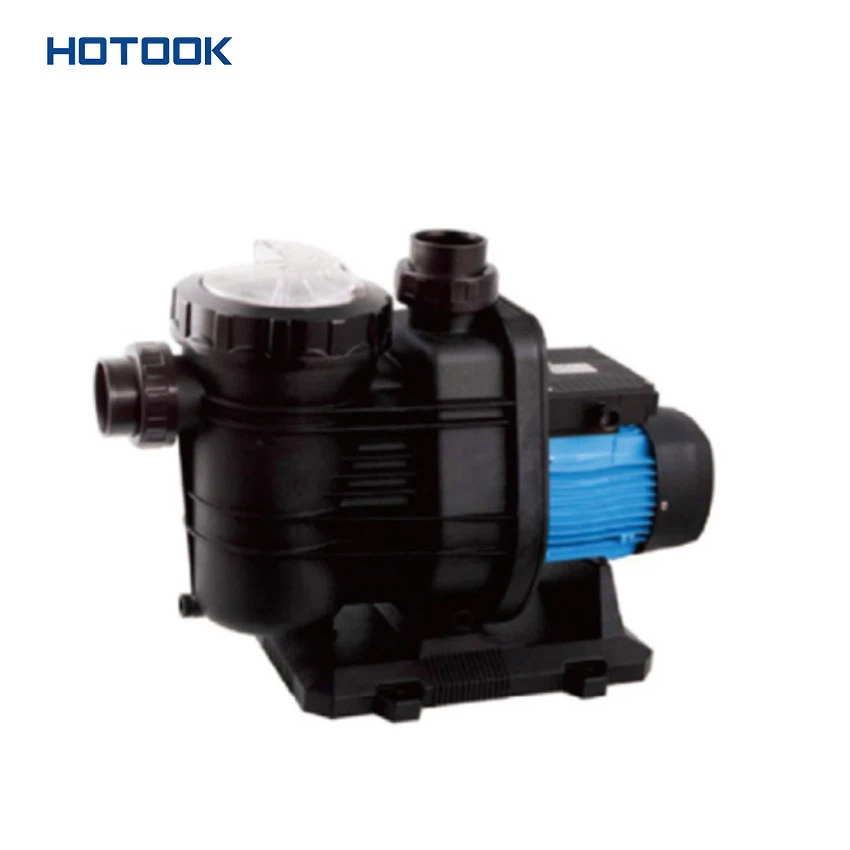

The presence of air in the suction pipe has a significant impact on the self - priming process. In the initial stage of self - priming, air needs to be evacuated from the suction pipe to create a vacuum. A certain amount of air in the pipe is normal and is part of the self - priming process. However, if there is too much air or if the air is not properly removed, it can cause problems.
Negative Effects of Excessive Air in the Suction Pipe
1. Prolonged Self - Priming Time
One of the most obvious effects of excessive air in the suction pipe is that it can significantly prolong the self - priming time. The pump has to work harder to evacuate the large amount of air, which means that it takes longer for the pump to reach the point where it can start pumping water. This not only wastes energy but also delays the start of the water supply. For example, in an agricultural irrigation system, if the pump takes too long to prime, it can disrupt the irrigation schedule, affecting crop growth.
2. Reduced Pump Efficiency
Excessive air can also reduce the efficiency of the pump. When there is a large amount of air in the suction pipe, the pump impeller has to work against the air resistance. This requires more energy input to achieve the same water - pumping capacity. As a result, the pump may consume more electricity from the solar panels, reducing the overall efficiency of the solar power system. Over time, this can lead to increased operating costs and reduced lifespan of the pump components.
3. Cavitation
Cavitation is a serious problem that can occur when there is too much air in the suction pipe. Cavitation happens when the pressure in the pump drops below the vapor pressure of the water, causing the water to vaporize and form bubbles. These bubbles then collapse when they reach areas of higher pressure, creating shock waves that can damage the pump impeller and other internal components. Cavitation can lead to reduced pump performance, increased noise, and even pump failure if not addressed promptly.
How to Manage Air in the Suction Pipe
1. Proper Installation
Proper installation of the solar power self - priming pump is crucial to minimize the amount of air in the suction pipe. Ensure that all connections in the suction pipe are tightly sealed to prevent air leakage. Use high - quality gaskets and fittings, and follow the manufacturer's installation instructions carefully. Also, make sure that the suction pipe is properly sized and that there are no sharp bends or restrictions that can cause air to accumulate.
2. Air - Release Valves
Installing air - release valves in the suction pipe can help to remove air during the self - priming process. These valves are designed to open when air is present in the pipe and close when water fills the pipe. By releasing air in a timely manner, air - release valves can speed up the self - priming process and reduce the risk of cavitation.
3. Regular Maintenance
Regular maintenance of the pump and the suction pipe is essential to ensure optimal performance. Check the suction pipe for any signs of damage or leakage, and repair or replace any faulty components. Also, clean the self - priming chamber regularly to remove any debris or air bubbles that may have accumulated.
Related Products
If you're interested in exploring other solar - powered water pump options, we also offer Solar Power JET Pump and Solar Pool Pump for Family Swimming Pool. These products are designed to meet different water - pumping needs and are also known for their energy - efficiency and reliability.
Conclusion
Air in the suction pipe is a critical factor that affects the self - priming ability of solar power self - priming pumps. While a certain amount of air is normal during the self - priming process, excessive air can lead to prolonged self - priming time, reduced pump efficiency, and cavitation. By understanding the negative effects of air in the suction pipe and taking appropriate measures to manage it, such as proper installation, using air - release valves, and regular maintenance, you can ensure the reliable operation of your solar power self - priming pump.
If you're in the market for a high - quality Solar Power Self Priming Pump, we're here to help. Our pumps are designed with advanced technology and high - quality materials to provide efficient and reliable water - pumping solutions. Contact us today to discuss your specific requirements and start a procurement negotiation.
References
- "Pump Handbook" by Igor J. Karassik, Joseph P. Messina, Paul Cooper, and Charles C. Heald.
- "Solar Energy Engineering: Processes and Systems" by Soteris A. Kalogirou.
- Technical manuals of solar power self - priming pumps from leading manufacturers.