

As a seasoned supplier of solar water pumps, I've witnessed firsthand the growing demand for sustainable and efficient water pumping solutions. Among the various options available in the market, direct - drive and battery - backup solar water pumps are two popular choices. In this blog, I'll delve into the differences between these two types of pumps to help you make an informed decision for your specific needs.
Working Principle
The fundamental difference between direct - drive and battery - backup solar water pumps lies in their working principles.
A direct - drive solar water pump is directly connected to the solar panels. It operates solely on the electricity generated by the solar panels at that moment. When sunlight hits the solar panels, the panels convert solar energy into electrical energy, which powers the pump. As the intensity of sunlight changes throughout the day, the pump's performance also fluctuates. For example, during peak sunlight hours, the pump will run at its maximum capacity, delivering a high flow rate of water. However, when the sunlight is weak, such as during cloudy days or early morning and late afternoon, the pump's output will decrease significantly.
On the other hand, a battery - backup solar water pump is equipped with a battery storage system. The solar panels charge the batteries during the day, and the pump can draw power from either the solar panels directly or from the stored energy in the batteries. This means that the pump can continue to operate even when there is no sunlight, such as at night or during extended periods of cloudy weather. The battery acts as a buffer, ensuring a more consistent water supply.
Performance and Reliability
In terms of performance, direct - drive pumps are highly efficient when there is abundant sunlight. They can quickly respond to changes in solar energy input, providing a high - flow rate when the sun is shining brightly. However, their performance is entirely dependent on sunlight availability. If you live in an area with frequent cloudy days or long winters, a direct - drive pump may not be able to meet your water needs consistently.
Battery - backup pumps offer more reliable performance. Since they can store energy in the batteries, they can provide a stable water supply regardless of the weather conditions. This makes them a better choice for areas with inconsistent sunlight or for applications where a continuous water supply is crucial, such as in agricultural irrigation or domestic water supply. However, the performance of battery - backup pumps can be affected by the capacity and condition of the batteries. Over time, batteries may degrade, reducing their storage capacity and the pump's overall performance.
Cost Considerations
Cost is an important factor when choosing between a direct - drive and a battery - backup solar water pump.
Direct - drive pumps are generally more affordable upfront. They do not require a battery storage system, which can be a significant cost component. Additionally, they have fewer components, which means lower maintenance costs. However, if your water demand is high and sunlight is not always available, you may need to install a larger solar panel system to ensure sufficient power, which can increase the initial investment.
Battery - backup pumps are more expensive upfront due to the cost of the batteries and the additional control systems required to manage the charging and discharging of the batteries. Moreover, batteries have a limited lifespan and need to be replaced periodically, which adds to the long - term cost. However, for applications where a reliable water supply is essential, the additional cost may be justified.
Installation and Maintenance
Installation of a direct - drive solar water pump is relatively straightforward. Since it only requires a connection between the solar panels and the pump, there are fewer components to install and wire. This means that the installation process is quicker and may require less technical expertise. Maintenance is also relatively simple, mainly involving regular cleaning of the solar panels to ensure maximum sunlight absorption and checking the pump for any mechanical issues.
Battery - backup solar water pumps are more complex to install. In addition to connecting the solar panels and the pump, the battery storage system needs to be installed and properly integrated with the pump. This requires more technical knowledge and may take longer to complete. Maintenance of battery - backup pumps is also more involved. The batteries need to be regularly checked for their charge level, electrolyte levels (in the case of lead - acid batteries), and overall condition. Additionally, the battery management system needs to be monitored to ensure proper charging and discharging.
Applications
The choice between a direct - drive and a battery - backup solar water pump also depends on the specific application.
Direct - drive pumps are suitable for applications where water demand is directly related to sunlight availability. For example, in small - scale gardening, where watering is usually done during the day when the sun is shining, a direct - drive pump can be a cost - effective solution. They are also a good choice for applications where a continuous water supply is not critical, such as in decorative fountains.
Battery - backup pumps are ideal for applications where a reliable and continuous water supply is required. In agricultural irrigation, for instance, crops need to be watered regularly regardless of the weather conditions. A battery - backup pump can ensure that the irrigation system operates smoothly, even during periods of low sunlight. They are also suitable for domestic water supply in remote areas where grid power is not available or unreliable.
Our Product Offerings
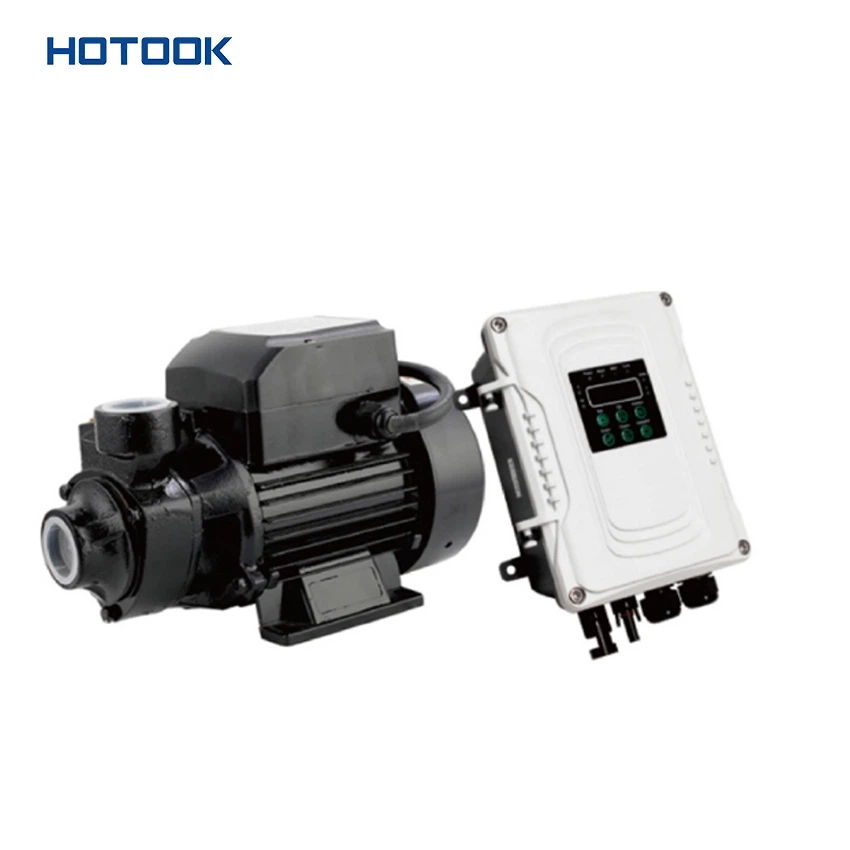
As a solar water pump supplier, we offer a wide range of both direct - drive and battery - backup solar water pumps to meet different customer needs. Our Solar Power JET Pump is a high - performance direct - drive pump that is perfect for small - scale water transfer applications. It is easy to install and operate, providing a cost - effective solution for your water pumping needs.
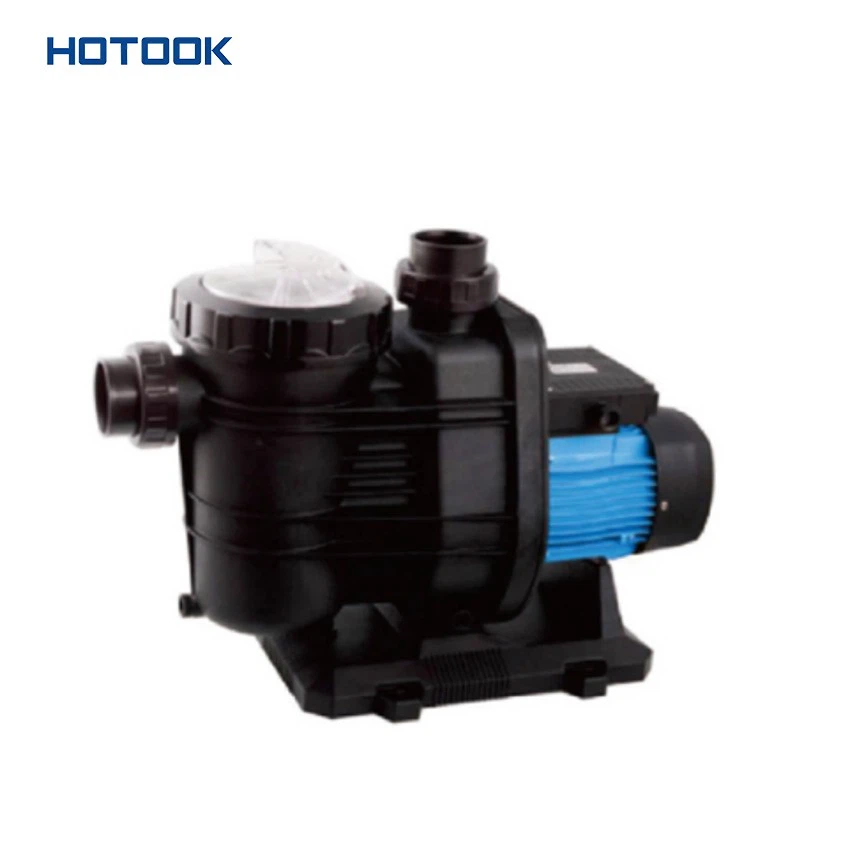
If you are looking for a reliable water supply for your family swimming pool, our Solar Pool Pump for Family Swimming Pool is an excellent choice. It is a battery - backup pump that can ensure continuous water circulation in your pool, even at night or on cloudy days.
For above - ground pools, our Solar Booster Pump for Above Ground Pools can provide the necessary pressure to keep the water clean and clear. It combines the advantages of both direct - drive and battery - backup systems, offering a flexible and efficient solution.
Conclusion
In conclusion, the choice between a direct - drive and a battery - backup solar water pump depends on several factors, including sunlight availability, water demand, cost, and application requirements. Direct - drive pumps are more affordable and efficient in sunny conditions but are less reliable in terms of continuous operation. Battery - backup pumps offer more consistent performance but come with a higher upfront cost and more complex maintenance.
If you are considering purchasing a solar water pump, I encourage you to contact us for a detailed consultation. Our team of experts can help you evaluate your specific needs and recommend the most suitable pump for your situation. Whether you need a direct - drive pump for a small - scale project or a battery - backup pump for a large - scale application, we have the products and expertise to meet your requirements.
References
- "Solar Water Pumping Systems: A Handbook for Planning, Installation and Maintenance" by the United Nations Industrial Development Organization (UNIDO).
- "Renewable Energy Technologies for Water Supply" by the World Bank.
- Industry reports and research on solar water pump technologies.