

As a supplier of Solar Power JET Pumps, I've encountered numerous customers concerned about the over - heating of these pumps. Over - heating not only shortens the lifespan of the pump but also affects its performance. In this blog, I'll share some practical ways to prevent the over - heating of a Solar Power JET Pump.
Understanding the Causes of Over - heating
Before we dive into prevention methods, it's essential to understand what causes a Solar Power JET Pump to over - heat.
1. High Ambient Temperature
Solar power pumps are often used in outdoor environments. When the ambient temperature is extremely high, especially in summer, the pump has to work harder to dissipate heat. The motor and other components generate heat during operation, and if the external environment can't provide enough cooling, the temperature inside the pump will rise rapidly.
2. Blocked Cooling System
Most Solar Power JET Pumps have a cooling system, which may include cooling fins or a cooling fan. If these cooling components are blocked by dust, debris, or other foreign objects, the heat dissipation efficiency will be significantly reduced. For example, if the cooling fins are covered with a thick layer of dust, the heat transfer from the pump to the surrounding air will be hindered.
3. Overloading
When the pump is required to work beyond its rated capacity, it will generate more heat. This can happen if the water source has a high resistance, such as a long and narrow pipeline or a high - lift application. The motor has to consume more power to overcome the resistance, leading to increased heat generation.
4. Electrical Issues
Problems in the electrical system, such as a loose connection, a damaged wire, or an incorrect voltage supply, can also cause over - heating. A loose connection can increase the electrical resistance, which in turn generates more heat according to the Joule's law (Q = I^{2}Rt). An incorrect voltage supply, either too high or too low, can make the motor operate inefficiently and produce excessive heat.
Prevention Methods
1. Installation in a Suitable Location
Choose a location with good ventilation for installing the Solar Power JET Pump. Avoid placing it in an enclosed space or near heat - generating equipment. For example, don't install the pump next to a boiler or in a small, unventilated shed. A well - ventilated area allows the heat to dissipate quickly into the surrounding air. Also, make sure the pump is installed in a shaded area to reduce the impact of direct sunlight, especially during hot summer days.
2. Regular Maintenance of the Cooling System
Clean the cooling components of the pump regularly. Use a soft brush or compressed air to remove dust and debris from the cooling fins and fans. Check the fan blades for any damage and make sure they rotate freely. If the fan is not working properly, replace it immediately. In addition, inspect the cooling channels inside the pump to ensure they are not blocked.
3. Avoid Overloading
Before using the pump, carefully calculate the water demand and the resistance of the pipeline system. Select a pump with a suitable capacity to match the application. If the water source has a high resistance, consider using a larger - diameter pipeline or adding a booster pump, such as the Solar Booster Pump for Above Ground Pools. This can reduce the load on the main pump and prevent over - heating.
4. Check and Maintain the Electrical System
Regularly inspect the electrical connections of the pump to ensure they are tight and secure. Look for any signs of damage, such as frayed wires or burnt insulation. If any problems are found, repair or replace the damaged parts immediately. Also, use a voltage stabilizer to ensure a stable voltage supply to the pump. A stable voltage can help the motor operate efficiently and reduce heat generation.
5. Use Heat - Dissipating Materials
Some advanced Solar Power JET Pumps are designed with heat - dissipating materials, such as aluminum alloy, which has good thermal conductivity. When choosing a pump, consider models with high - quality heat - dissipating materials. These materials can transfer heat from the pump components to the surrounding air more effectively, reducing the internal temperature of the pump.

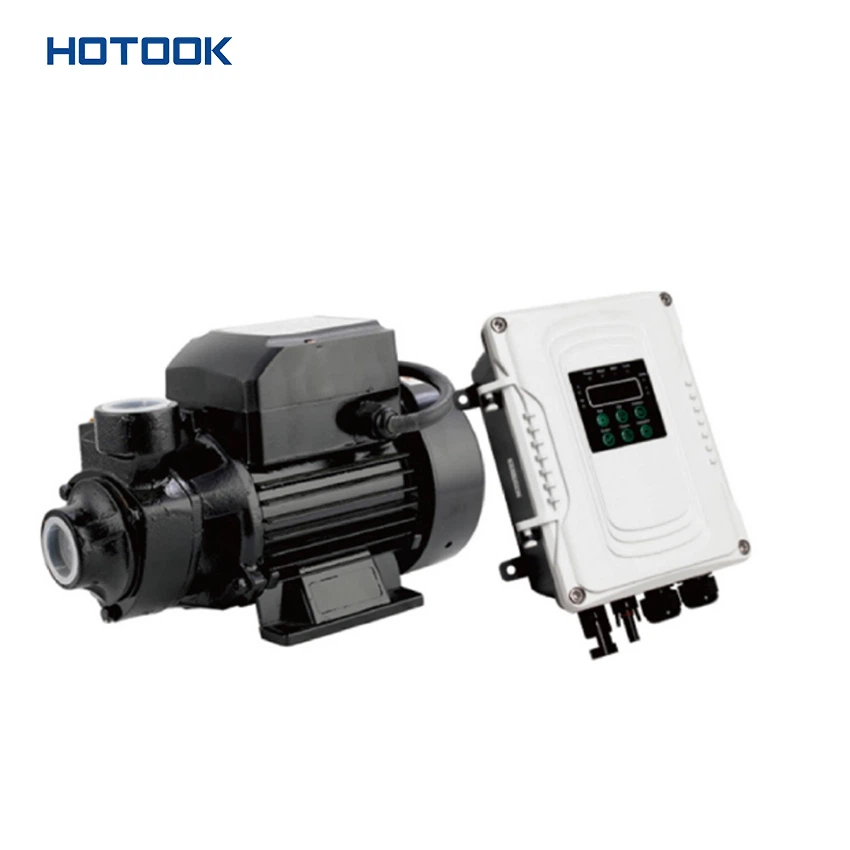
6. Install a Temperature Sensor
A temperature sensor can be installed on the pump to monitor its temperature in real - time. When the temperature exceeds a certain threshold, an alarm can be triggered, allowing you to take timely measures to prevent over - heating. Some modern pumps come with built - in temperature sensors, which provide an additional layer of protection.
Case Studies
Let's take a look at a few real - world examples to illustrate the effectiveness of these prevention methods.
Case 1: A Farm Irrigation System
A farm was using a Solar Power JET Pump for irrigation. Initially, the pump often over - heated, especially during the peak summer months. After investigating, it was found that the pump was installed in a corner with poor ventilation and the cooling fins were blocked by dust. The farm owner followed our advice and moved the pump to a more ventilated area. They also cleaned the cooling fins regularly. As a result, the over - heating problem was significantly reduced, and the pump's performance improved.
Case 2: A Residential Water Supply System
A residential building was using a Solar Power JET Pump for water supply. The pump started to over - heat due to overloading, as the pipeline was too long and narrow. We recommended installing a Solar Power Self Priming Pump as a booster pump to reduce the load on the main pump. After the installation, the over - heating issue was resolved, and the water supply became more stable.
Conclusion
Preventing the over - heating of a Solar Power JET Pump is crucial for its long - term performance and durability. By understanding the causes of over - heating and implementing the prevention methods mentioned above, you can ensure that your pump operates efficiently and reliably.
As a professional supplier of Solar Power JET Pump, we are committed to providing high - quality products and comprehensive technical support. If you have any questions about preventing over - heating or other issues related to Solar Power JET Pumps, please feel free to contact us for procurement and further discussion. We are always here to help you find the best solutions for your needs.
References
- "Solar Pump Technology Handbook", published by an industry - leading research institution.
- Technical documents provided by pump manufacturers.
- Case studies and field reports from our customers.