

When it comes to harnessing solar energy for water pumping, a Solar Power JET Pump is an excellent choice. As a Solar Power JET Pump supplier, I've encountered numerous customers who are eager to make the right selection but are unsure about how to choose the appropriate size. In this blog, I'll guide you through the key factors to consider when determining the right size of a Solar Power JET Pump for your specific needs.
Understanding the Basics of Solar Power JET Pumps
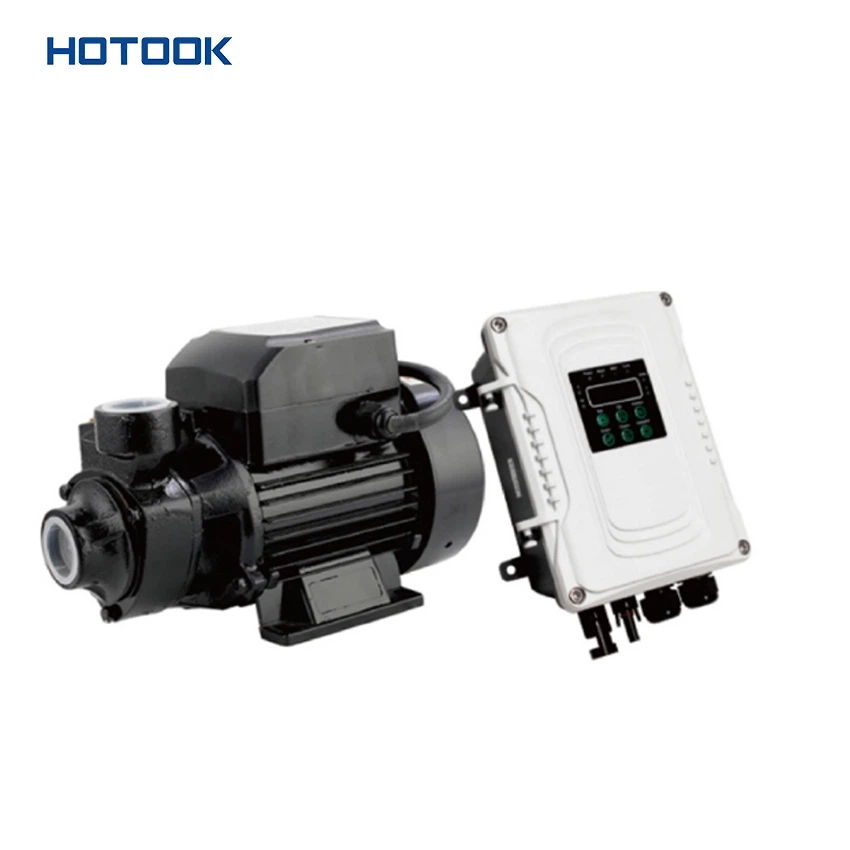
Before delving into the sizing process, it's essential to have a basic understanding of what a Solar Power JET Pump is. A Solar Power JET Pump is a type of water pump that is powered by solar energy. It combines the efficiency of a jet pump with the sustainability of solar power, making it an environmentally friendly and cost - effective solution for various water pumping applications.
Factors to Consider When Choosing the Size
Water Demand
The first and most crucial factor to consider is your water demand. You need to determine how much water you need to pump per day. This can vary greatly depending on the application. For example, if you're using the pump for a small garden, your water demand will be significantly less compared to using it for an agricultural irrigation system or a large - scale water supply for a commercial building.
To calculate your water demand, you can start by making a list of all the water - using fixtures and appliances. For instance, if you have a family swimming pool, you'll need to know the volume of the pool and how often you need to circulate the water. A Solar Pool Pump for Family Swimming Pool may need to pump a large volume of water to keep the pool clean and well - circulated.
Head Pressure
Head pressure refers to the vertical distance that the water needs to be pumped, as well as the friction losses in the pipes. The higher the head pressure, the more powerful the pump needs to be. When calculating head pressure, you need to consider both the static head (the vertical distance from the water source to the point of use) and the dynamic head (which includes friction losses in the pipes, valves, and fittings).
For example, if you're pumping water from a well that is 50 feet deep to a storage tank on a hill that is 30 feet above the ground, the static head is 80 feet. You also need to account for the friction losses in the pipes, which can increase the overall head pressure. A pump with a higher head pressure rating will be required to overcome these challenges.

Solar Insolation
Solar insolation is the amount of solar energy that reaches a given area over a specific period. The amount of solar insolation in your location will directly affect the performance of your Solar Power JET Pump. Areas with high solar insolation will receive more sunlight, allowing the pump to operate more efficiently.
You can find solar insolation data for your area from local weather stations or online resources. If you live in an area with low solar insolation, you may need a larger pump or a more efficient solar panel system to ensure that the pump can meet your water demand.
System Efficiency
The efficiency of the entire solar pumping system is also an important consideration. This includes the efficiency of the solar panels, the pump motor, and the controller. A more efficient system will require less solar energy to operate, which can reduce the size of the pump and the solar panel array needed.
When choosing a Solar Power JET Pump, look for pumps with high - efficiency motors and controllers. Some pumps also come with advanced features such as maximum power point tracking (MPPT) controllers, which can significantly improve the overall efficiency of the system.
Sizing the Solar Power JET Pump
Once you've determined your water demand, head pressure, solar insolation, and system efficiency, you can start sizing the Solar Power JET Pump. Here's a step - by - step guide:
- Calculate the Required Flow Rate: Based on your water demand, calculate the required flow rate in gallons per minute (GPM) or liters per minute (LPM). For example, if you need to pump 1000 gallons of water per day and you plan to run the pump for 5 hours, the required flow rate is approximately 3.3 GPM (1000 gallons / (5 hours x 60 minutes)).
- Determine the Total Head Pressure: Calculate the total head pressure as described earlier, including both static and dynamic head. Make sure to account for any additional losses due to bends, valves, and filters in the piping system.
- Select the Pump Based on Flow Rate and Head Pressure: Use the pump performance curves provided by the manufacturer to select a pump that can meet your required flow rate at the calculated head pressure. The performance curves show the relationship between the flow rate, head pressure, and power consumption of the pump.
- Size the Solar Panel Array: Once you've selected the pump, you need to size the solar panel array to provide enough power to operate the pump. The size of the solar panel array will depend on the power consumption of the pump, the solar insolation in your area, and the efficiency of the system.
Special Considerations for Different Applications
Above - Ground Pools
If you're using a Solar Power JET Pump for an above - ground pool, you'll need to consider the size of the pool and the desired turnover rate. The turnover rate is the time it takes to circulate the entire volume of water in the pool. A typical turnover rate for a residential pool is 6 - 8 hours.
A Solar Booster Pump for Above Ground Pools can be a great option for maintaining proper water circulation and filtration. When sizing the pump for an above - ground pool, make sure to choose a pump that can provide the required flow rate at the head pressure created by the pool's filtration system.
Agricultural Irrigation
For agricultural irrigation, the water demand can be very high, especially for large - scale farms. You'll need to consider the size of the irrigated area, the type of crops, and the irrigation method (e.g., drip irrigation, sprinkler irrigation).
Drip irrigation systems typically require lower flow rates but higher pressure, while sprinkler irrigation systems may require higher flow rates. Make sure to choose a pump that can meet the specific requirements of your irrigation system.
Conclusion
Choosing the right size of a Solar Power JET Pump is a critical step in ensuring that your solar water pumping system operates efficiently and effectively. By considering factors such as water demand, head pressure, solar insolation, and system efficiency, you can make an informed decision.
If you're still unsure about how to choose the right size for your specific application, don't hesitate to reach out. As a Solar Power JET Pump supplier, I have the expertise and experience to help you select the perfect pump for your needs. We can work together to analyze your requirements and recommend the most suitable pump and solar panel system. Contact us today to start the procurement process and take advantage of the benefits of solar - powered water pumping.
References
- "Solar Water Pumping Systems: Design and Installation Guide" by International Renewable Energy Agency (IRENA)
- "Pump Handbook" by Igor Karassik et al.