

As a reputable solar water pump supplier, I've encountered numerous inquiries from customers regarding the adjustment of the flow rate of solar water pumps. This topic is crucial as it directly impacts the efficiency and effectiveness of water pumping systems, whether they are used for above-ground pools, family swimming pools, or other applications. In this blog post, I'll share some practical tips on how to adjust the flow rate of a solar water pump.

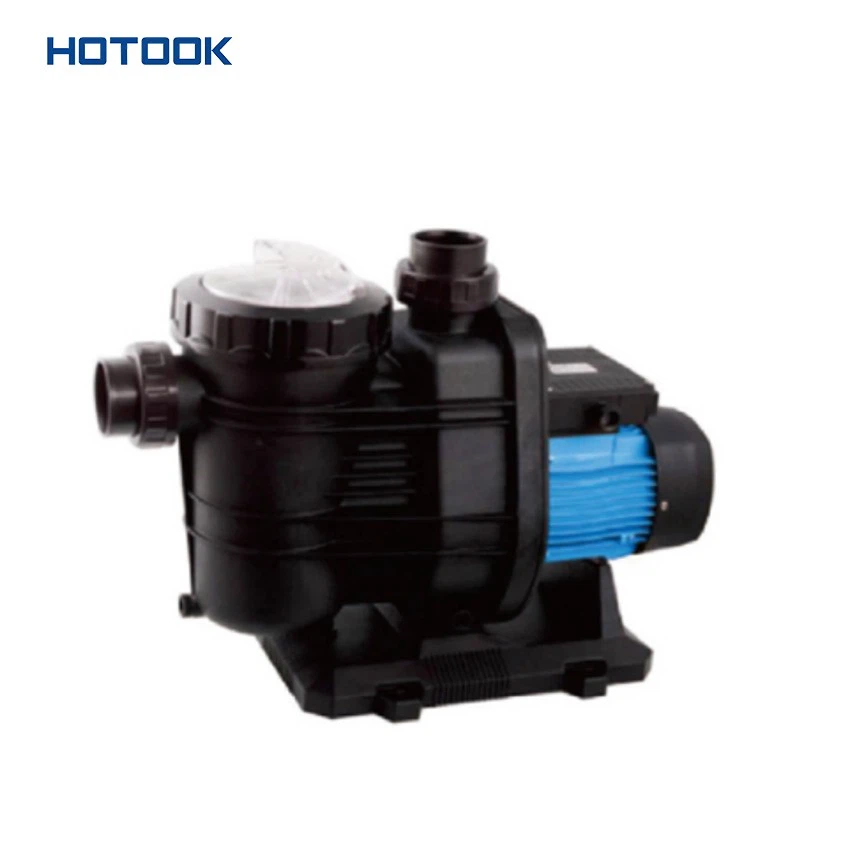
Understanding the Basics of Solar Water Pump Flow Rate
Before delving into the adjustment methods, it's essential to understand what flow rate means. Flow rate refers to the volume of water that a pump can move within a specific period, usually measured in liters per minute (LPM) or gallons per minute (GPM). Several factors can affect the flow rate of a solar water pump, including the solar panel's power output, the pump's design and specifications, the height of the water lift (head), and the diameter of the pipes used.
Factors Affecting Solar Water Pump Flow Rate
- Solar Panel Power Output: Solar water pumps rely on solar energy to operate. The power output of the solar panel directly affects the pump's performance. On sunny days, the pump will generally have a higher flow rate as it receives more energy. Conversely, on cloudy days or during low sunlight periods, the flow rate may decrease.
- Pump Design and Specifications: Different pumps have different maximum flow rates based on their design and specifications. When selecting a solar water pump, it's important to choose one that meets your specific requirements. For example, if you need a high flow rate for a large above-ground pool, you might consider a Solar Booster Pump for Above Ground Pools.
- Water Lift (Head): The height to which the water needs to be pumped, known as the head, also affects the flow rate. The higher the head, the more energy the pump needs to overcome gravity, resulting in a lower flow rate.
- Pipe Diameter: The diameter of the pipes used in the system can impact the flow rate. Smaller diameter pipes can cause more resistance, reducing the flow rate, while larger diameter pipes allow for a smoother flow of water.
Methods to Adjust the Flow Rate of a Solar Water Pump
1. Adjusting the Solar Panel Angle
The angle of the solar panel plays a significant role in determining the amount of sunlight it receives. By adjusting the angle of the solar panel to face the sun more directly, you can increase the power output and, consequently, the flow rate of the pump. Here's how you can do it:
- Determine the Optimal Angle: The optimal angle of the solar panel depends on your geographical location and the time of year. You can use online solar angle calculators or consult a solar energy expert to find the best angle for your area.
- Adjust the Panel Mounting: Most solar panels are mounted on adjustable frames. Loosen the bolts or clamps on the frame and tilt the panel to the desired angle. Then, tighten the bolts or clamps to secure the panel in place.
2. Changing the Pump's Impeller
The impeller is a crucial component of the pump that determines its flow rate. By changing the impeller to one with a different size or design, you can adjust the flow rate of the pump. Here are the steps:
- Select the Right Impeller: Consult the pump's manufacturer or a professional to determine the appropriate impeller for your pump and the desired flow rate.
- Remove the Old Impeller: Turn off the pump and disconnect the power supply. Remove the pump housing to access the impeller. Use the appropriate tools to remove the old impeller.
- Install the New Impeller: Carefully install the new impeller in place of the old one. Make sure it is properly aligned and secured. Reassemble the pump housing and reconnect the power supply.
3. Using a Flow Control Valve
A flow control valve is a simple and effective way to adjust the flow rate of a solar water pump. It allows you to regulate the amount of water flowing through the system by restricting or opening the valve. Here's how to use it:
- Install the Flow Control Valve: The flow control valve should be installed in the pipeline between the pump and the water outlet. Make sure it is properly connected and tightened to prevent leaks.
- Adjust the Valve: Turn the valve handle clockwise to reduce the flow rate or counterclockwise to increase it. Monitor the flow rate as you make adjustments to achieve the desired level.
4. Optimizing the Pipe System
As mentioned earlier, the pipe diameter and length can affect the flow rate of the pump. By optimizing the pipe system, you can reduce resistance and increase the flow rate. Here are some tips:
- Use Larger Diameter Pipes: If possible, use larger diameter pipes to reduce resistance and allow for a smoother flow of water.
- Minimize Pipe Bends and Fittings: Each bend and fitting in the pipe system adds resistance. Try to minimize the number of bends and fittings and use smooth, straight pipes whenever possible.
- Check for Blockages: Regularly check the pipes for blockages, such as debris or sediment. Clean the pipes if necessary to ensure a clear flow of water.
Applications of Solar Water Pumps with Adjustable Flow Rates
Solar water pumps with adjustable flow rates have a wide range of applications. Here are some examples:
- Above-Ground Pools: For above-ground pools, a Solar Booster Pump for Above Ground Pools with an adjustable flow rate can ensure proper circulation and filtration of the pool water. You can adjust the flow rate based on the size of the pool and the level of usage.
- Family Swimming Pools: A Solar Pool Pump for Family Swimming Pool can be adjusted to provide the right amount of water flow for a comfortable swimming experience. You can increase the flow rate during peak usage times and reduce it when the pool is not in use to save energy.
- Agricultural Irrigation: In agricultural irrigation systems, solar water pumps with adjustable flow rates can be used to deliver the right amount of water to crops based on their water requirements. This helps to conserve water and improve crop yields.
Conclusion
Adjusting the flow rate of a solar water pump is an important aspect of ensuring its optimal performance. By understanding the factors that affect the flow rate and using the appropriate adjustment methods, you can customize the pump's operation to meet your specific needs. Whether you are using a solar water pump for a pool, irrigation, or other applications, proper flow rate adjustment can improve efficiency, save energy, and extend the lifespan of the pump.
If you are interested in purchasing a solar water pump or have any questions about flow rate adjustment, please feel free to contact us. We are a trusted solar water pump supplier with a wide range of products, including Solar Booster Pump for Above Ground Pools, Solar Power JET Pump, and Solar Pool Pump for Family Swimming Pool. Our team of experts is ready to assist you in finding the right solution for your needs.
References
- Solar Energy International. (n.d.). Solar Water Pumping Handbook.
- Pump Industry Analyst. (Various issues). Industry reports on solar water pumps.