

Fiberglass filters are a popular choice for many filtration needs, from residential HVAC systems to industrial applications. As a leading fiberglass filter supplier, we often receive questions about how often these filters should be replaced. In this blog post, we'll explore the factors that influence filter replacement frequency and provide some general guidelines to help you make the most of your fiberglass filters.
Understanding Fiberglass Filters
Fiberglass filters are made from fine glass fibers that are woven or bonded together to form a porous structure. This structure allows air or liquid to pass through while trapping dust, dirt, and other particles. Fiberglass filters are known for their affordability, high flow rates, and relatively low efficiency compared to other filter types.
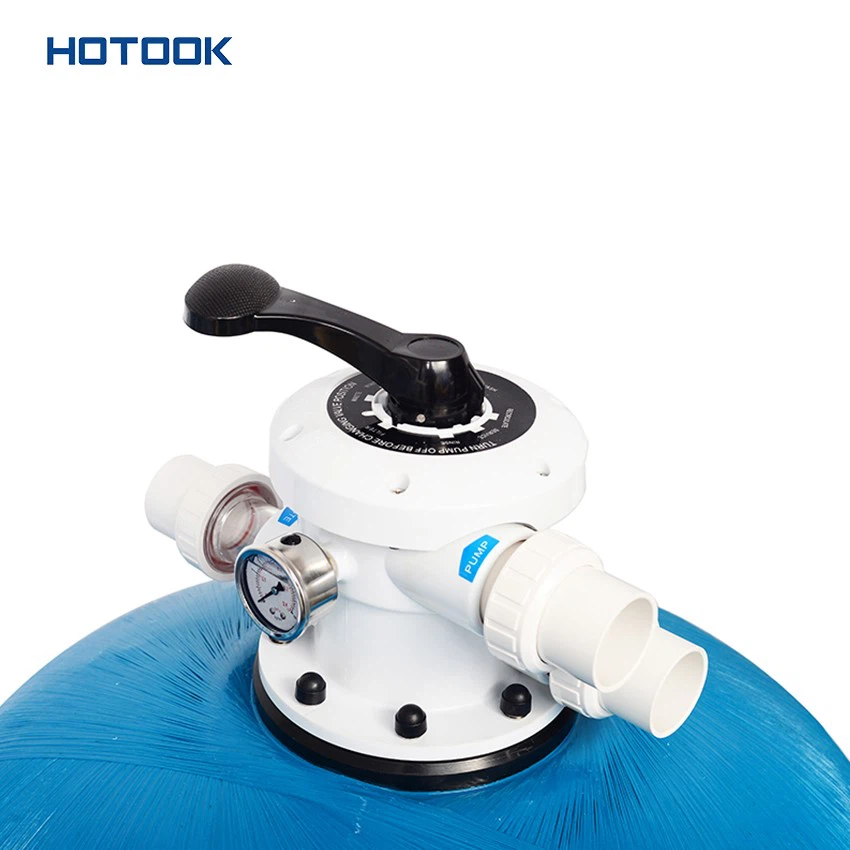
There are different types of fiberglass filters available, each designed for specific applications. For example, our Grey Side Mounted Fiberglass Sand Filter, Blue Top Mounted Fiberglass Sand Filter, and Grey Top Mounted Fiberglass Sand Filter are commonly used in swimming pool filtration systems. These filters are designed to remove sand, debris, and other contaminants from pool water, ensuring a clean and safe swimming environment.
Factors Affecting Filter Replacement Frequency
The frequency at which you should replace a fiberglass filter depends on several factors, including:
1. Usage Environment
The environment in which the filter is used plays a significant role in determining its lifespan. In a clean, low - traffic environment, a fiberglass filter may last longer compared to a dusty, high - traffic area. For example, a residential HVAC filter in a well - sealed home with minimal outdoor pollution may last 1 - 3 months, while a filter in an industrial workshop with heavy dust and debris may need to be replaced every few weeks.
2. Filter Efficiency
Fiberglass filters come in different efficiency ratings, typically measured by the Minimum Efficiency Reporting Value (MERV). Higher MERV rated filters are more efficient at trapping smaller particles but may also clog more quickly. If you are using a high - MERV fiberglass filter, you may need to replace it more frequently than a lower - MERV filter.
3. Air or Liquid Flow Rate
The flow rate of air or liquid through the filter also affects its lifespan. A higher flow rate means more particles are being forced through the filter, which can cause it to clog faster. In systems with high flow rates, such as large industrial ventilation systems or high - capacity pool pumps, filters may need to be replaced more often.
4. Particle Size and Concentration
The size and concentration of the particles in the air or liquid being filtered are important factors. If the environment contains a high concentration of large particles, the filter may clog quickly as these particles are more likely to be trapped on the surface of the filter. On the other hand, if the particles are very small, they may penetrate deeper into the filter, gradually reducing its efficiency over time.
General Guidelines for Filter Replacement
While the specific replacement frequency will vary depending on the factors mentioned above, here are some general guidelines for different applications:
Residential HVAC Systems
- Low - MERV Fiberglass Filters (MERV 1 - 4): These filters are typically the least expensive and have the lowest efficiency. They are suitable for basic dust and debris removal. In a typical residential environment, they should be replaced every 1 - 3 months.
- Medium - MERV Fiberglass Filters (MERV 5 - 8): These filters offer better efficiency and can trap smaller particles. They may need to be replaced every 2 - 4 months.
Commercial HVAC Systems
- Commercial buildings usually have higher traffic and more complex ventilation requirements. For low - MERV fiberglass filters in commercial HVAC systems, replacement every 1 - 2 months is recommended. Medium - MERV filters may need to be replaced every 2 - 3 months.
Swimming Pool Filtration Systems
- Fiberglass sand filters in swimming pools should be backwashed regularly to remove trapped debris. However, the actual filter media itself may need to be replaced every 3 - 5 years, depending on the usage and water quality. If the pool is used frequently or if the water has a high level of contaminants, the replacement interval may be shorter.
Signs That a Filter Needs to be Replaced
In addition to following the general guidelines, there are some signs that indicate a fiberglass filter needs to be replaced:
1. Reduced Air or Liquid Flow
If you notice a decrease in the air or liquid flow through the system, it could be a sign that the filter is clogged. This can lead to reduced efficiency and increased energy consumption.
2. Visible Dirt and Debris
If the filter appears dirty or has a thick layer of debris on its surface, it is likely time for a replacement. A visibly dirty filter is less effective at trapping particles and can allow contaminants to pass through.
3. Increased Pressure Drop
In systems where pressure is monitored, an increase in the pressure drop across the filter indicates that the filter is restricting the flow. This can be measured using a pressure gauge and is a clear sign that the filter needs to be changed.
Importance of Regular Filter Replacement
Regularly replacing fiberglass filters is crucial for several reasons:
1. Maintaining System Efficiency
A clean filter allows air or liquid to flow freely through the system, ensuring optimal performance. A clogged filter can cause the system to work harder, leading to increased energy consumption and potentially reducing the lifespan of the equipment.
2. Improving Indoor Air Quality
In HVAC systems, a clean filter helps to remove dust, pollen, and other allergens from the air, improving the indoor air quality and creating a healthier living or working environment.
3. Protecting Equipment
By preventing dirt and debris from entering the system, a clean filter helps to protect the components of the equipment, such as fans, motors, and coils, from damage.
How We Can Help
As a trusted fiberglass filter supplier, we offer a wide range of high - quality fiberglass filters for various applications. Our filters are designed to meet the highest standards of performance and durability. We can provide you with expert advice on filter selection, replacement frequency, and maintenance to ensure that you get the most out of your filtration system.
If you have any questions about our fiberglass filters or need assistance in determining the right replacement schedule for your specific application, we encourage you to contact us. Our team of professionals is ready to help you with your filtration needs and guide you through the procurement process. Whether you are a homeowner, a business owner, or a facility manager, we can provide you with the right solutions at competitive prices.
Conclusion
Determining how often to replace a fiberglass filter requires considering multiple factors, including the usage environment, filter efficiency, flow rate, and particle characteristics. By following the general guidelines and paying attention to the signs of a clogged filter, you can ensure that your filtration system operates efficiently and effectively.
As a leading fiberglass filter supplier, we are committed to providing you with the best products and services. If you are interested in purchasing our fiberglass filters or have any questions about filter replacement, please don't hesitate to contact us for further discussion and procurement details.

References
- ASHRAE (American Society of Heating, Refrigerating and Air - Conditioning Engineers). "ASHRAE Handbook - HVAC Systems and Equipment."
- Pool & Spa News. "Pool Filtration System Maintenance Guide."
- HVAC Excellence. "Fundamentals of HVACR."