

A sand filter pump with low flow can be a frustrating issue for pool owners. As a supplier of sand filter pumps, I've encountered this problem numerous times and have gathered valuable insights on how to troubleshoot it effectively. In this blog post, I'll guide you through the step-by-step process of identifying and resolving low flow issues in a sand filter pump.
Understanding the Basics of a Sand Filter Pump
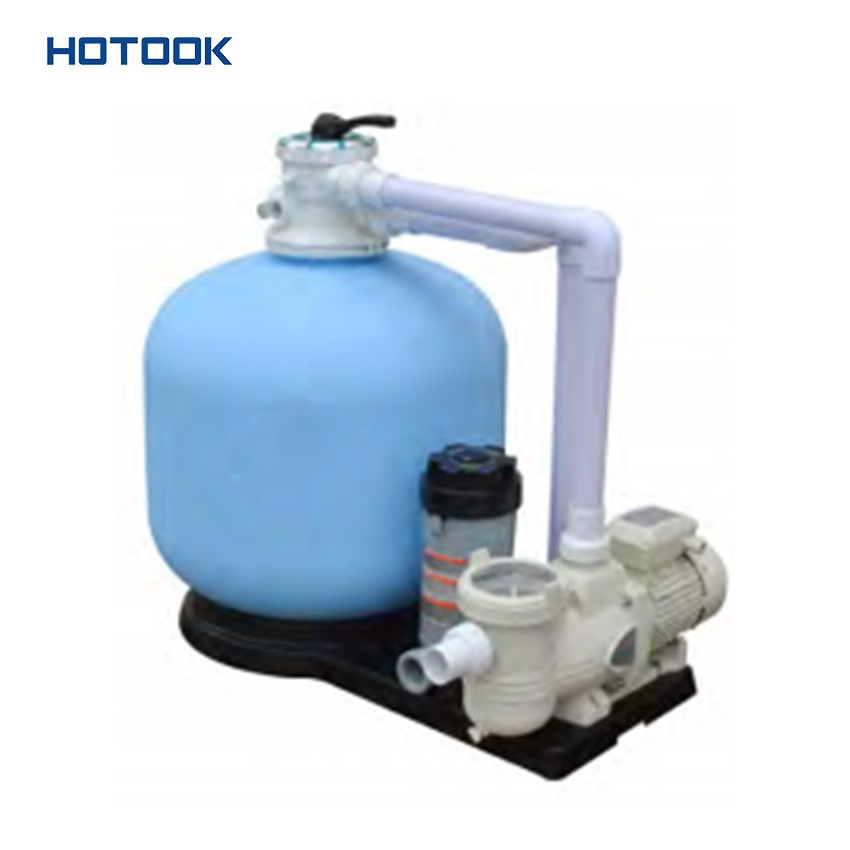
Before diving into troubleshooting, it's essential to understand how a sand filter pump works. A sand filter pump is a crucial component of a pool's filtration system. It draws water from the pool through the skimmer and main drain, passes it through a tank filled with sand, and then returns the clean water back to the pool. The sand acts as a filter, trapping debris and contaminants as the water passes through.
Step 1: Check the Power Supply
The first thing to check when experiencing low flow is the power supply to the pump. Ensure that the pump is properly plugged in and that the circuit breaker hasn't tripped. If the pump isn't receiving power, it won't be able to operate at its full capacity, resulting in low flow.
Step 2: Inspect the Pump Basket
The pump basket is designed to catch large debris such as leaves, twigs, and insects before they enter the pump. A clogged pump basket can restrict the flow of water into the pump, causing low flow. To check the pump basket, turn off the pump and remove the lid of the pump basket housing. Clean out any debris and replace the lid securely.
Step 3: Examine the Skimmer Basket
Similar to the pump basket, the skimmer basket catches debris from the pool surface. A full skimmer basket can also impede water flow. Remove the skimmer basket and empty it of any debris. Check the skimmer for any blockages, such as leaves or dirt, and clear them out.
Step 4: Check the Filter Pressure
The filter pressure gauge on the sand filter can provide valuable information about the condition of the filter. If the pressure is higher than normal, it could indicate a clogged filter. A clogged filter restricts the flow of water through the system, resulting in low flow. To clean the filter, you can perform a backwashing procedure. This involves reversing the flow of water through the filter to flush out the trapped debris. Refer to the manufacturer's instructions for the specific backwashing process for your sand filter.
Step 5: Inspect the Valves
The valves in the pool's filtration system control the flow of water. A closed or partially closed valve can cause low flow. Check all the valves in the system, including the multiport valve on the sand filter, to ensure they are in the correct position. Make sure the valve is set to the "Filter" position for normal operation.
Step 6: Look for Leaks
Leaks in the plumbing system can also lead to low flow. Inspect the pipes, fittings, and connections for any signs of leaks, such as water dripping or pooling. If you find a leak, you may need to repair or replace the damaged component. Tighten loose connections or use plumbing tape to seal small leaks. For larger leaks, it may be necessary to call a professional plumber.
Step 7: Check the Impeller
The impeller is a rotating component inside the pump that creates the suction to draw water into the pump. A damaged or clogged impeller can reduce the pump's efficiency and cause low flow. To check the impeller, you'll need to disassemble the pump. Refer to the manufacturer's instructions for the proper disassembly procedure. Once the pump is disassembled, inspect the impeller for any damage or debris. Clean the impeller if necessary and replace it if it's damaged.
Step 8: Consider the Water Level
The water level in the pool can also affect the performance of the sand filter pump. If the water level is too low, the pump may not be able to draw in enough water, resulting in low flow. Make sure the water level in the pool is within the recommended range. You can add water to the pool using a garden hose if needed.
Step 9: Evaluate the Sand in the Filter
Over time, the sand in the filter can become compacted or contaminated, reducing its filtration efficiency and causing low flow. If you've tried all the above steps and are still experiencing low flow, it may be time to replace the sand in the filter. Refer to the manufacturer's instructions for the correct type and amount of sand to use.
Step 10: Seek Professional Help
If you've gone through all the troubleshooting steps and are still unable to resolve the low flow issue, it may be time to seek professional help. A qualified pool technician can perform a more in-depth inspection of the system and diagnose and fix any underlying problems.
As a sand filter pump supplier, we offer a wide range of high-quality products to meet your pool filtration needs. Our Sand Filter Pump Pool Above Ground Pool is designed for above-ground pools and provides efficient filtration. The Swimming Pool Sand Filter and Pump System is a comprehensive solution for in-ground pools, ensuring clean and clear water. And our High Flow Integrated Pool Sand Filter Pump is ideal for larger pools or those with high flow requirements.
If you're interested in learning more about our sand filter pumps or have any questions about troubleshooting, please feel free to contact us. We're here to help you keep your pool in top condition.

References
- Pool & Spa News. (Year). Pool Equipment Maintenance Guide.
- Manufacturer's manuals for sand filter pumps and related equipment.