

Hey there! As a supplier of sand filter pumps, I've seen my fair share of issues with air getting into these pumps. It's a common problem that can really mess with the efficiency and performance of your pool's filtration system. In this blog, I'm gonna share some tips on how you can prevent air from getting into a sand filter pump.
Understanding the Problem
First off, let's talk about why air in the sand filter pump is a big deal. When air gets into the pump, it creates airlocks. This means that the water can't flow properly through the system, and your pump has to work harder to move the water. Over time, this can lead to wear and tear on the pump, reducing its lifespan. Plus, it can also affect the filtration process, leaving your pool water dirty and cloudy.
Check the Pump Lid and O - Ring
One of the most common places for air to enter the sand filter pump is through the pump lid. The lid needs to be tightly sealed to prevent air from leaking in. Start by checking the O - ring that sits between the lid and the pump housing. If the O - ring is damaged, worn out, or dirty, it won't create a proper seal.
You can easily inspect the O - ring. Look for any signs of cracks, cuts, or deformities. If it looks bad, replace it right away. You can usually find replacement O - rings at your local pool supply store or on our website, where we offer a wide range of Swimming Pool Sand Filter and Pump System parts.
When you're putting the lid back on the pump, make sure it's tightened properly. But don't over - tighten it, as this can also damage the O - ring. A good rule of thumb is to tighten it until it's snug, but you should still be able to turn it a little bit by hand.
Inspect the Hoses
The hoses connected to the sand filter pump are another potential source of air leaks. Over time, hoses can develop cracks, holes, or loose connections. Check the entire length of the hoses for any signs of damage. Look for small punctures, splits, or worn - out areas.
If you find a damaged hose, replace it immediately. You can get replacement hoses that are compatible with your pump from our inventory. We have a variety of options for Sand Filter Pump Pool Above Ground Pool setups, ensuring you can find the right fit for your system.
Also, check the hose clamps. Make sure they're tightened securely around the hoses. Loose clamps can allow air to seep in. You might need to use a screwdriver or a pair of pliers to tighten them properly.
Prime the Pump Correctly
Priming the pump is an important step in preventing air from getting into the system. Priming basically means filling the pump with water so that it can start pumping water effectively.
To prime the pump, first, make sure the pump and the skimmer basket are clean. Then, close all the valves except the one for the skimmer. Fill the pump basket with water until it's full. Put the lid back on the pump basket and make sure it's sealed.
Next, turn on the pump. The pump should start to draw water from the pool and push it through the filter. If the pump doesn't start pumping water right away, it might not be primed correctly. You may need to repeat the process and check for any air leaks as described above.
Look at the Pump Impeller
The pump impeller is a crucial part of the sand filter pump. If it's clogged or damaged, it can cause air to get into the system. A clogged impeller can't move water efficiently, which can lead to airlocks.
To check the impeller, you'll need to turn off the pump and shut off the power. Remove the pump lid and the strainer basket. Then, you can access the impeller. Look for any debris, such as leaves, twigs, or small rocks, that might be stuck in the impeller. Use a pair of pliers or a small brush to remove the debris.
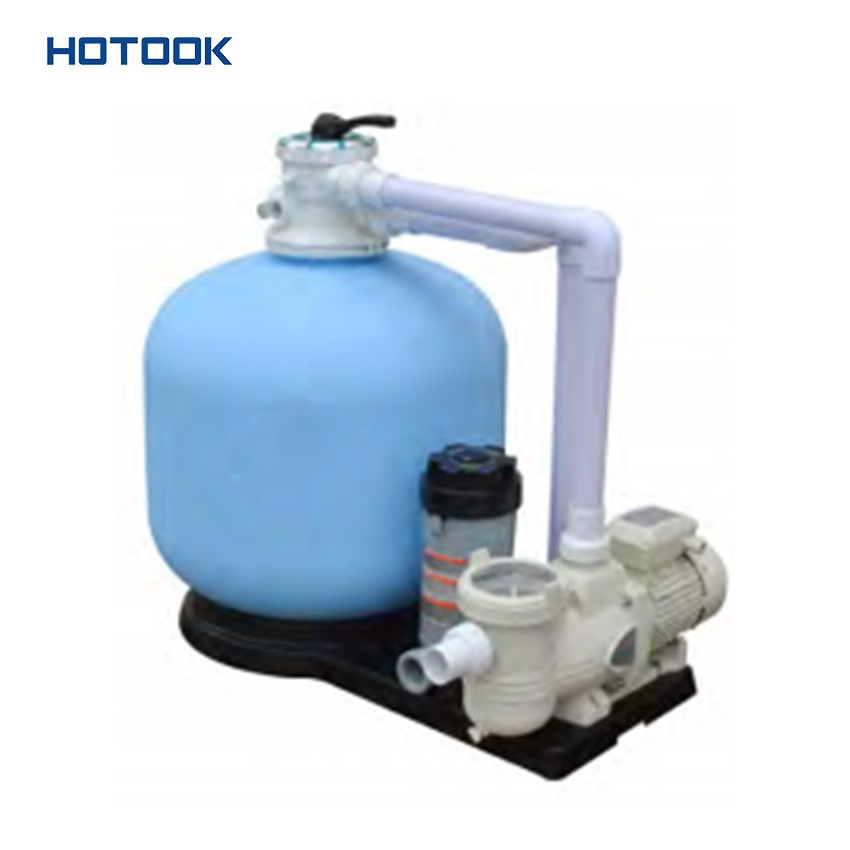

If the impeller is damaged, it will need to be replaced. A damaged impeller can't create the necessary suction to move water through the pump, and this can allow air to enter. We offer high - quality impellers for our Above Ground Pool Sand Filter Pump System and other models.
Monitor the Water Level
Maintaining the right water level in your pool is essential for preventing air from getting into the sand filter pump. If the water level is too low, the pump can start sucking in air instead of water.
Check your pool's water level regularly. The water level should be at least halfway up the skimmer opening. If the water level is below this point, add water to the pool. You can use a garden hose to fill the pool back up to the proper level.
Consider the Location of the Pump
The location of the sand filter pump can also affect whether air gets into the system. The pump should be installed below the water level of the pool. This allows gravity to help fill the pump with water, reducing the risk of air entering.
If your pump is installed above the water level, you might need to take extra steps to prime the pump and prevent air leaks. You can also consider installing a check valve in the suction line. A check valve allows water to flow in one direction only, preventing air from being sucked back into the pump when it's turned off.
Use a High - Quality Pump
Investing in a high - quality sand filter pump can make a big difference in preventing air from getting into the system. Our High Flow Integrated Pool Sand Filter Pump is designed with tight seals and efficient components to reduce the risk of air leaks.
A good pump will also have a well - designed impeller and housing that are less likely to develop problems. When you choose a pump from us, you're getting a product that's been tested and proven to work effectively.
Regular Maintenance
Regular maintenance is key to keeping air out of your sand filter pump. Make it a habit to inspect the pump, hoses, and other components on a regular basis. Clean the pump basket and skimmer basket frequently to prevent debris from building up.
You should also backwash the sand filter regularly. Backwashing helps to remove dirt and debris from the sand filter, ensuring that it can filter the water effectively. A clogged filter can cause the pump to work harder, which can increase the risk of air getting into the system.
Conclusion
Preventing air from getting into a sand filter pump is all about being proactive and doing regular maintenance. By checking the pump lid, hoses, impeller, and water level, and by priming the pump correctly, you can keep your pool's filtration system running smoothly.
If you're having trouble with your sand filter pump or need replacement parts, we're here to help. We offer a wide range of products, including the Swimming Pool Clean Sand Filter Pump Combo, to meet your pool's needs. If you're interested in purchasing or have any questions, feel free to reach out and start a procurement discussion with us. We're always happy to offer advice and support to make sure you get the best out of your pool equipment.
References
- Pool and Spa News Magazine. "Common Pool Pump Problems and Solutions."
- The National Swimming Pool Foundation. "Pool Maintenance Guide."