

As a supplier of Solar LED Floating Pool Lights, I often receive inquiries from customers about the performance of these lights in various weather conditions, especially cold weather. This blog post aims to provide a comprehensive analysis of whether solar LED floating pool lights can be used in cold weather.
How Solar LED Floating Pool Lights Work
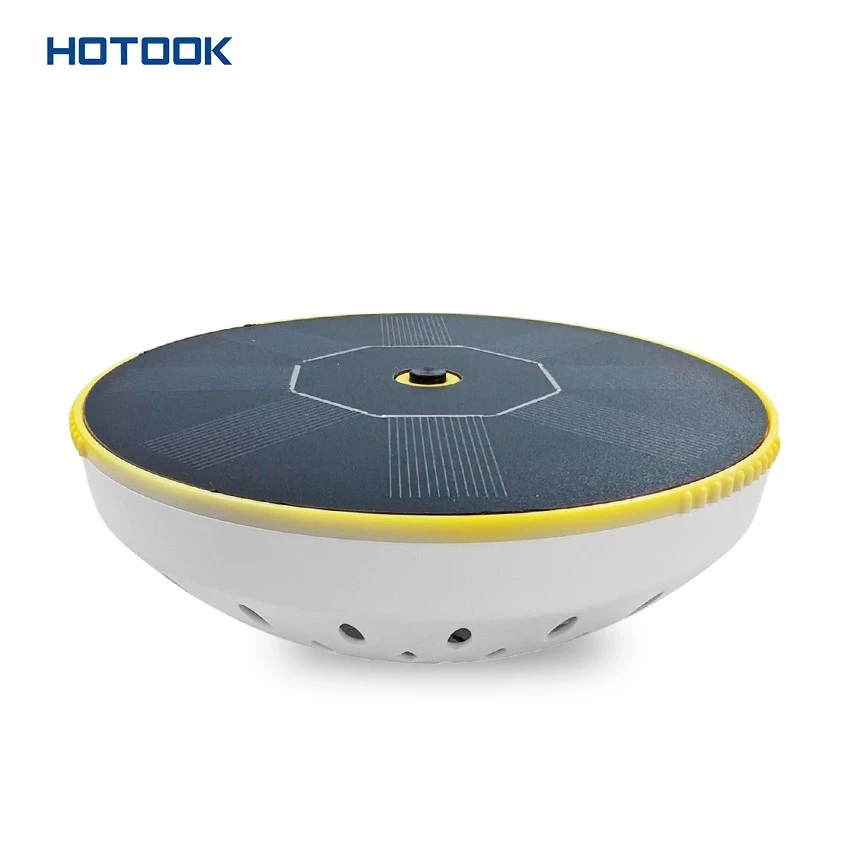
Before delving into the impact of cold weather, it's essential to understand how solar LED floating pool lights operate. These lights typically consist of three main components: a solar panel, a rechargeable battery, and LED bulbs. During the day, the solar panel absorbs sunlight and converts it into electrical energy, which is then stored in the rechargeable battery. At night, the stored energy powers the LED bulbs, illuminating the pool.
Effects of Cold Weather on Solar Panels
One of the primary concerns regarding the use of solar LED floating pool lights in cold weather is the performance of the solar panels. Solar panels rely on sunlight to generate electricity, and cold temperatures can have both positive and negative effects on their efficiency.
On the positive side, solar panels generally operate more efficiently in cooler temperatures. This is because the electrical resistance within the panel decreases as the temperature drops, allowing for better electron flow and, consequently, increased power output. However, this benefit is only significant when the panels are receiving sufficient sunlight.
On the negative side, cold weather often comes with shorter days and less sunlight. In regions with long, dark winters, the solar panels may not receive enough sunlight to fully charge the batteries. Additionally, snow and ice can accumulate on the solar panels, blocking sunlight and reducing their efficiency. Even a thin layer of snow can significantly reduce the amount of sunlight reaching the panel, leading to a decrease in power generation.

Impact of Cold Weather on Rechargeable Batteries
Rechargeable batteries are another crucial component of solar LED floating pool lights, and cold weather can have a substantial impact on their performance. Most solar LED floating pool lights use lithium-ion or nickel-metal hydride (NiMH) batteries, both of which are affected by low temperatures.
In cold weather, the chemical reactions within the battery slow down, reducing its capacity to store and deliver energy. This means that the battery may not hold a full charge, and the lights may not last as long as they do in warmer temperatures. Additionally, repeated exposure to cold temperatures can cause long-term damage to the battery, reducing its overall lifespan.
LED Bulb Performance in Cold Weather
LED bulbs are known for their energy efficiency and long lifespan, but they can also be affected by cold weather. While LED bulbs generally perform well in a wide range of temperatures, extremely cold conditions can cause the light output to decrease slightly. This is because the semiconductor materials within the LED can become less efficient at low temperatures.
However, modern LED technology has significantly improved the performance of LED bulbs in cold weather. Many high-quality LED bulbs are designed to operate efficiently in temperatures as low as -20°C (-4°F), making them suitable for use in most cold-weather environments.
Strategies for Using Solar LED Floating Pool Lights in Cold Weather
Despite the challenges posed by cold weather, there are several strategies that can help ensure the optimal performance of solar LED floating pool lights during the winter months.
- Proper Placement: Place the solar LED floating pool lights in an area where they can receive maximum sunlight, even during the shorter winter days. Avoid areas that are shaded by trees or buildings, as this can reduce the amount of sunlight reaching the solar panels.
- Regular Maintenance: Keep the solar panels clean and free of snow and ice. Use a soft brush or cloth to gently remove any debris from the panels, being careful not to scratch the surface. This will ensure that the panels can absorb as much sunlight as possible.
- Battery Management: If possible, remove the rechargeable batteries from the lights during extremely cold weather and store them in a warm place. This will help prevent the batteries from freezing and prolong their lifespan. You can also consider using a battery warmer or insulation to keep the batteries at a more optimal temperature.
- Backup Power Source: In regions with particularly harsh winters, it may be a good idea to have a backup power source for the solar LED floating pool lights. This could be a traditional electrical outlet or a portable generator. Having a backup power source will ensure that the lights can still operate even if the solar panels are unable to generate enough power.
Conclusion
In conclusion, solar LED floating pool lights can be used in cold weather, but their performance may be affected by the low temperatures and reduced sunlight. While the solar panels may operate more efficiently in cooler temperatures, the shorter days and potential for snow and ice can limit their ability to charge the batteries. Additionally, the rechargeable batteries and LED bulbs may also experience a decrease in performance in cold weather.
However, by following the strategies outlined above, you can minimize the impact of cold weather on your solar LED floating pool lights and ensure that they continue to provide beautiful illumination for your pool throughout the winter months.
If you're interested in purchasing high-quality Solar LED Floating Pool Light, Remote Control Floating Pool Lamp, or 16 Colors Waterproof LED Floating Pool Light, please feel free to contact us for more information and to discuss your specific needs. We're here to help you find the perfect lighting solution for your pool.
References
- "Solar Panel Performance in Cold Weather." Solar Power World, [Date of Publication].
- "The Effects of Temperature on Lithium-Ion Batteries." Battery University, [Date of Publication].
- "LED Lighting in Cold Environments." Lighting Research Center, [Date of Publication].