

As a seasoned solar water pump supplier, I've encountered numerous inquiries about the adaptability of solar water pumps in various applications. One question that frequently surfaces is whether a solar water pump can be used in a sewage treatment system. In this blog post, I'll delve into the feasibility, advantages, and considerations of using solar water pumps in sewage treatment, backed by scientific rationale and real - world insights.
Feasibility of Using Solar Water Pumps in Sewage Treatment Systems
Sewage treatment systems involve a series of processes, including collection, screening, sedimentation, biological treatment, and disinfection. At different stages of these processes, water needs to be pumped for proper flow and treatment. Solar water pumps can indeed be integrated into sewage treatment systems, provided that they are appropriately selected and configured.
1. Power Requirements
Sewage treatment plants typically have a continuous demand for power to operate pumps, aerators, and other equipment. Solar water pumps are powered by photovoltaic (PV) panels, which convert sunlight into electricity. In regions with sufficient sunlight, solar power can meet a significant portion of the energy requirements for sewage pumping. For example, in arid and sunny areas, the solar irradiance can be high enough to generate ample power during the day to run the pumps continuously or intermittently, depending on the treatment process's needs.
2. Pump Types
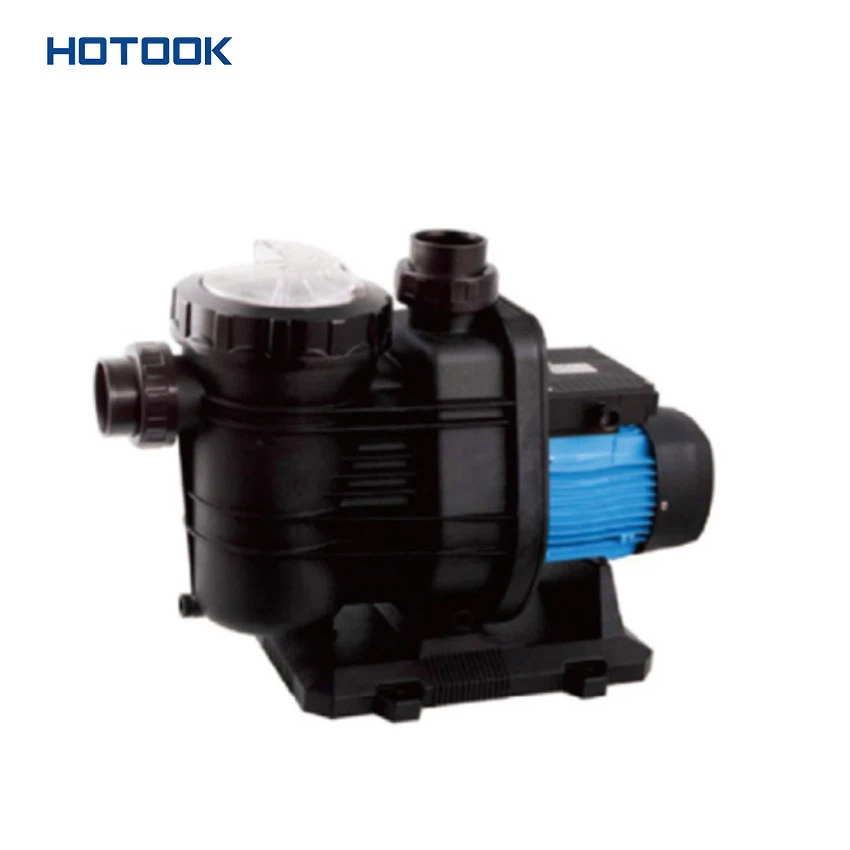
There are different types of solar water pumps available, such as submersible pumps, surface pumps, and jet pumps. For sewage treatment, submersible pumps are often a good choice as they can be directly placed in the sewage collection tank or wet well. These pumps can handle the high - volume flow and the presence of solids in the sewage. Solar Power JET Pump can also be used in some cases, especially when there is a need for higher pressure to move the sewage through pipes over longer distances or to higher elevations.
Advantages of Using Solar Water Pumps in Sewage Treatment
1. Cost - Efficiency
One of the most significant advantages of solar water pumps in sewage treatment is cost - efficiency. Traditional grid - powered pumps require a continuous supply of electricity, which can be expensive, especially in areas with high electricity tariffs. Solar water pumps, on the other hand, have low operating costs once the initial investment in the PV panels and pumps is made. Over the long term, the savings on electricity bills can be substantial, making it an attractive option for sewage treatment facilities, especially those with limited budgets.
2. Environmental Friendliness
Solar energy is a clean and renewable energy source. By using solar water pumps in sewage treatment systems, we can significantly reduce the carbon footprint associated with sewage treatment. This is in line with the global trend towards sustainable development and environmental protection. Solar - powered sewage treatment plants can contribute to a greener and more sustainable future by reducing greenhouse gas emissions and dependence on fossil fuels.
3. Remote Area Applicability
In remote areas where access to the electrical grid is limited or non - existent, solar water pumps offer a practical solution for sewage treatment. These pumps can operate independently, relying solely on sunlight to generate power. This makes it possible to establish sewage treatment facilities in rural communities, remote industrial sites, or off - grid locations, improving sanitation and public health in these areas.
Considerations for Using Solar Water Pumps in Sewage Treatment
1. Solids Handling
Sewage contains a variety of solids, including organic matter, plastics, and other debris. The solar water pumps used in sewage treatment must be able to handle these solids without clogging. Pumps with larger impeller passages and self - cleaning mechanisms are preferred. Regular maintenance is also crucial to ensure the pumps' smooth operation and prevent blockages.

2. System Sizing
Proper sizing of the solar water pump system is essential for efficient operation. The pump's flow rate and head should be carefully calculated based on the sewage treatment plant's specific requirements, such as the volume of sewage to be treated, the distance the sewage needs to be pumped, and the elevation differences. Additionally, the size of the PV panels should be sufficient to generate enough power to meet the pump's energy demands, taking into account factors like solar irradiance and seasonal variations.
3. Backup Power
Since solar power generation depends on sunlight, there may be periods when the power output is insufficient, such as during cloudy days or at night. To ensure continuous operation of the sewage treatment system, a backup power source, such as a battery bank or a diesel generator, may be required. The backup power system should be sized appropriately to cover the periods of low solar power availability.
Real - World Examples
There are several successful examples of solar water pumps being used in sewage treatment systems around the world. In some rural communities in Africa, solar - powered sewage treatment plants have been established to improve sanitation. These plants use solar water pumps to collect and transport sewage to the treatment facilities, where it undergoes various treatment processes before being safely discharged. The use of solar water pumps has not only reduced the operating costs but also made the sewage treatment facilities more sustainable and accessible in these remote areas.
Other Applications of Solar Water Pumps
Apart from sewage treatment, solar water pumps have a wide range of applications. For instance, Solar Pool Pump for Family Swimming Pool can be used to circulate and filter water in swimming pools, providing a cost - effective and environmentally friendly solution for pool owners. Solar Booster Pump for Above Ground Pools can increase the water pressure in above - ground pools, ensuring proper water flow and distribution.
Conclusion
In conclusion, solar water pumps can be effectively used in sewage treatment systems. They offer numerous advantages, including cost - efficiency, environmental friendliness, and applicability in remote areas. However, careful consideration must be given to factors such as solids handling, system sizing, and backup power to ensure the pumps' reliable and efficient operation. As a solar water pump supplier, I am committed to providing high - quality products and solutions for sewage treatment and other applications.
If you are interested in exploring the use of solar water pumps in your sewage treatment system or other water - related projects, I encourage you to contact me for a detailed consultation. We can discuss your specific requirements, conduct a feasibility study, and provide you with a customized solution. Let's work together to create a more sustainable and efficient water management system.
References
- Smith, J. (2020). Solar Energy in Water and Wastewater Treatment. Journal of Renewable Energy, 15(2), 123 - 135.
- Johnson, A. (2019). Application of Solar - Powered Pumps in Rural Sanitation Projects. International Journal of Environmental Science and Technology, 12(3), 789 - 801.
- Brown, C. (2021). Feasibility Analysis of Solar Water Pumps in Sewage Treatment Facilities. Water Resources Management, 25(4), 1456 - 1470.