

Can a solar water pump be used in a livestock watering system?
As a supplier of solar water pumps, I've received numerous inquiries about the feasibility of using our products in livestock watering systems. In this blog, I'll delve into the details to address this question comprehensively.
The Basics of Solar Water Pumps
Solar water pumps are devices that convert solar energy into mechanical energy to pump water. They consist of solar panels, a pump, and a controller. The solar panels capture sunlight and convert it into electricity, which powers the pump. The controller regulates the flow of electricity and ensures the pump operates efficiently.
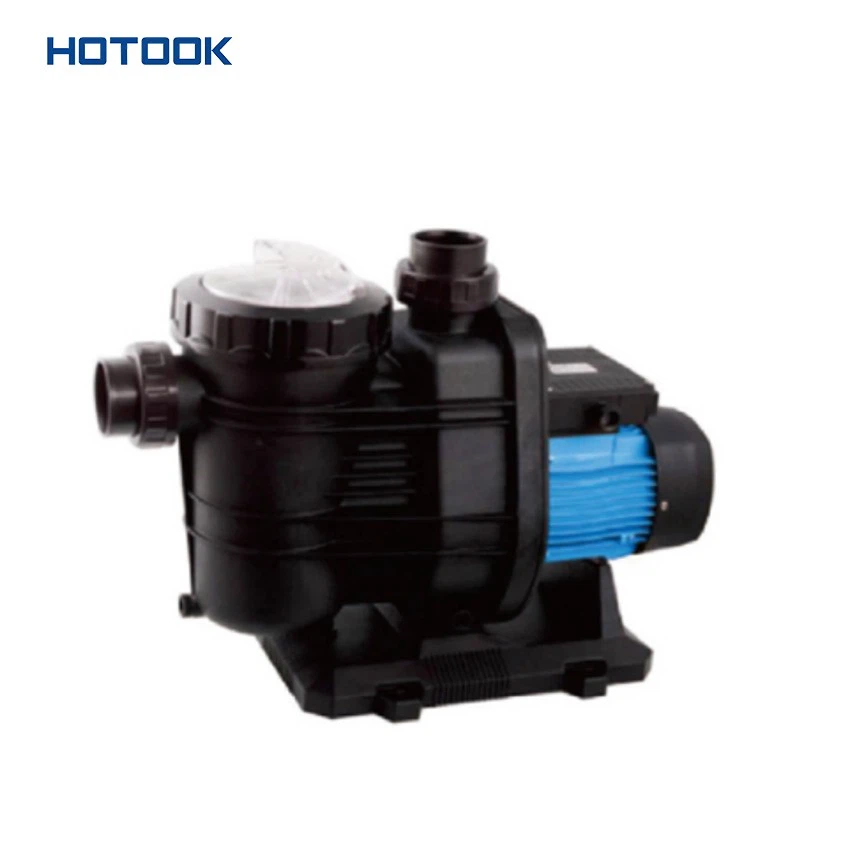
There are different types of solar water pumps available in the market, each with its own features and applications. For instance, the Solar Power Self Priming Pump is designed to automatically prime itself, making it suitable for applications where the water source is below the pump. The Solar Pool Pump for Family Swimming Pool is specifically tailored for circulating water in family swimming pools. And the Solar Power JET Pump is known for its high-pressure performance, which can be useful in various scenarios.
Advantages of Using Solar Water Pumps in Livestock Watering Systems
Cost - Efficiency
One of the most significant advantages of solar water pumps in livestock watering systems is cost - efficiency. Traditional pumps rely on electricity or fuel, which can incur high operating costs over time. In contrast, solar water pumps use free solar energy. Once the initial investment in the solar pump system is made, the cost of running the pump is minimal. This can lead to substantial savings, especially for large - scale livestock farms.
Environmental Friendliness
Solar water pumps are an environmentally friendly option. They produce no greenhouse gas emissions during operation, which is in line with the growing trend of sustainable farming. By using solar energy, farmers can reduce their carbon footprint and contribute to a cleaner environment.
Remote Area Suitability
Many livestock farms are located in remote areas where access to the power grid is limited or non - existent. Solar water pumps can operate independently of the grid, making them an ideal solution for these locations. They can draw water from wells, rivers, or other water sources and provide a reliable water supply for livestock.
Low Maintenance
Solar water pumps generally have fewer moving parts compared to traditional pumps, which means they require less maintenance. There is no need to deal with issues such as fuel filters, spark plugs, or engine maintenance. This reduces the time and effort spent on upkeep and allows farmers to focus more on their livestock.
Considerations for Using Solar Water Pumps in Livestock Watering Systems
Water Demand
The water demand of the livestock is a crucial factor to consider. Different types of livestock have different water requirements. For example, cows typically need more water than sheep or goats. You need to calculate the total water demand based on the number and type of livestock on your farm. This will help you determine the appropriate size and capacity of the solar water pump.
Sunlight Availability
Since solar water pumps rely on sunlight, the amount of sunlight in your area is a key consideration. Areas with more sunlight hours per day are more suitable for solar water pump systems. You can consult local weather data or use solar irradiance maps to assess the sunlight availability in your region. If sunlight is limited, you may need to install a larger solar panel array or consider a hybrid system that combines solar power with other energy sources.
Water Source
The type and depth of the water source also matter. If the water source is a shallow well or a surface water body, a self - priming pump may be sufficient. However, if the water source is deep, you may need a submersible solar pump that can handle the pressure and lift the water to the required height.
System Design and Installation
Sizing the System
Proper sizing of the solar water pump system is essential. This involves determining the pump capacity, the size of the solar panel array, and the battery capacity (if a battery - backup system is included). A professional solar pump supplier can help you with the sizing process based on your specific requirements.

Installation
The installation of a solar water pump system should be carried out by a qualified technician. They will ensure that the solar panels are installed at the correct angle to maximize sunlight absorption, and the pump is properly connected to the water source and the watering troughs. They will also test the system to ensure it is working correctly.
Case Studies
Let's look at some real - world examples of solar water pumps being used in livestock watering systems. In a small - scale sheep farm in a remote area of the countryside, the farmer installed a solar water pump to draw water from a nearby well. The pump was sized according to the water demand of the sheep. Since then, the farmer has been able to provide a consistent water supply to the sheep without worrying about high electricity bills or grid outages.
In another case, a large cattle ranch in a sunny region replaced its old fuel - powered pump with a solar water pump system. The new system not only reduced the operating costs but also improved the reliability of the water supply. The ranchers were able to focus more on cattle management, and the overall productivity of the ranch increased.
Conclusion
In conclusion, solar water pumps can indeed be used effectively in livestock watering systems. They offer numerous advantages such as cost - efficiency, environmental friendliness, suitability for remote areas, and low maintenance. However, careful consideration of factors such as water demand, sunlight availability, and water source is necessary. With proper system design and installation, solar water pumps can provide a reliable and sustainable water supply for your livestock.
If you are interested in using a solar water pump for your livestock watering system, we are here to help. Our team of experts can assist you in selecting the right pump, sizing the system, and providing installation and after - sales support. Contact us to start a discussion about your specific needs and find the best solar water pump solution for your farm.
References
- "Solar Water Pumping Systems: A Practical Guide" by the International Renewable Energy Agency.
- "Livestock Water Requirements" by the University of Extension.