

As a supplier of Solar Power Self Priming Pumps, I often encounter various inquiries from customers. One of the most frequently asked questions is, "Can a solar power self - priming pump pump hot water?" In this blog, I'll delve into this topic to provide a comprehensive answer.
Understanding Solar Power Self Priming Pumps
First, let's understand what a solar power self - priming pump is. A Solar Power Self Priming Pump is a device that uses solar energy as its power source. It has the unique ability to prime itself, which means it can remove air from the suction line and start pumping water without the need for external priming. This feature makes it highly convenient, especially in remote areas where a reliable power grid may not be available.
These pumps are commonly used in a variety of applications, such as water supply for small farms, garden irrigation, and even in some residential settings for water transfer. They are designed to be energy - efficient and environmentally friendly, as they rely on solar panels to convert sunlight into electrical energy to drive the pump.
The Feasibility of Pumping Hot Water
The ability of a solar power self - priming pump to pump hot water depends on several factors.
Material Compatibility
The materials used in the construction of the pump play a crucial role. Most solar power self - priming pumps are made of materials that are designed to handle normal temperature water. If the water is too hot, it can cause damage to the pump components. For example, rubber seals and gaskets may expand or degrade when exposed to high temperatures, leading to leaks. Some pumps are made with heat - resistant materials, such as certain types of plastics and metals that can withstand higher temperatures. However, it's important to check the manufacturer's specifications to determine the maximum temperature the pump can handle.
Motor and Electrical Components
The motor and electrical components of the pump are also sensitive to temperature. High - temperature water can increase the heat load on the motor, which may cause it to overheat. Overheating can reduce the motor's efficiency and lifespan. Additionally, the electrical insulation of the motor may be affected by high temperatures, increasing the risk of electrical short - circuits. Some solar power self - priming pumps are equipped with thermal protection devices that can shut off the pump if the temperature exceeds a certain limit.
Performance and Efficiency
Pumping hot water can also affect the pump's performance and efficiency. Hot water is less dense than cold water, which means the pump may need to work harder to move the same volume of water. This can lead to increased energy consumption and reduced flow rate. In some cases, the pump may not be able to achieve the same pressure and flow performance as it does with cold water.
Applications of Solar Power Pumps for Hot Water
Despite the challenges, there are some applications where solar power self - priming pumps can be used to pump hot water.
Solar Water Heating Systems
In solar water heating systems, the pump is used to circulate hot water between the solar collectors and the storage tank. These pumps are specifically designed to handle hot water and are made with heat - resistant materials. They are also equipped with proper thermal management systems to ensure the motor and other components can operate safely at high temperatures.
Small - Scale Hot Water Transfer
For small - scale applications, such as transferring hot water from a small solar - heated pool to another container, a solar power self - priming pump can be used. However, it's important to ensure that the pump is suitable for the temperature of the water. For example, a Solar Pool Pump for Family Swimming Pool may be able to handle slightly warm water, but if the water is extremely hot, it may not be the best choice.
Advantages of Using Solar Power Pumps for Hot Water
If a solar power self - priming pump is suitable for pumping hot water, there are several advantages.
Energy Savings
Using solar energy to pump hot water can significantly reduce energy costs. Since the pump runs on solar power, it doesn't rely on the traditional power grid, which can be expensive, especially in areas with high electricity rates.
Environmental Friendliness
Solar power is a clean and renewable energy source. By using a solar power pump to pump hot water, you are reducing your carbon footprint and contributing to a more sustainable environment.
Remote Operation
Solar power self - priming pumps are ideal for remote locations where access to electricity is limited. They can operate independently, as long as there is sufficient sunlight. This makes them a great option for rural areas or off - grid applications.
Choosing the Right Solar Power Pump for Hot Water
If you are considering using a solar power self - priming pump to pump hot water, here are some tips to help you choose the right one.
Check the Temperature Rating
Make sure to check the manufacturer's specifications for the maximum temperature the pump can handle. This will ensure that the pump can operate safely and efficiently with hot water.
Consider the Material
Look for pumps made with heat - resistant materials, such as stainless steel or high - temperature plastics. These materials are more likely to withstand the effects of hot water.
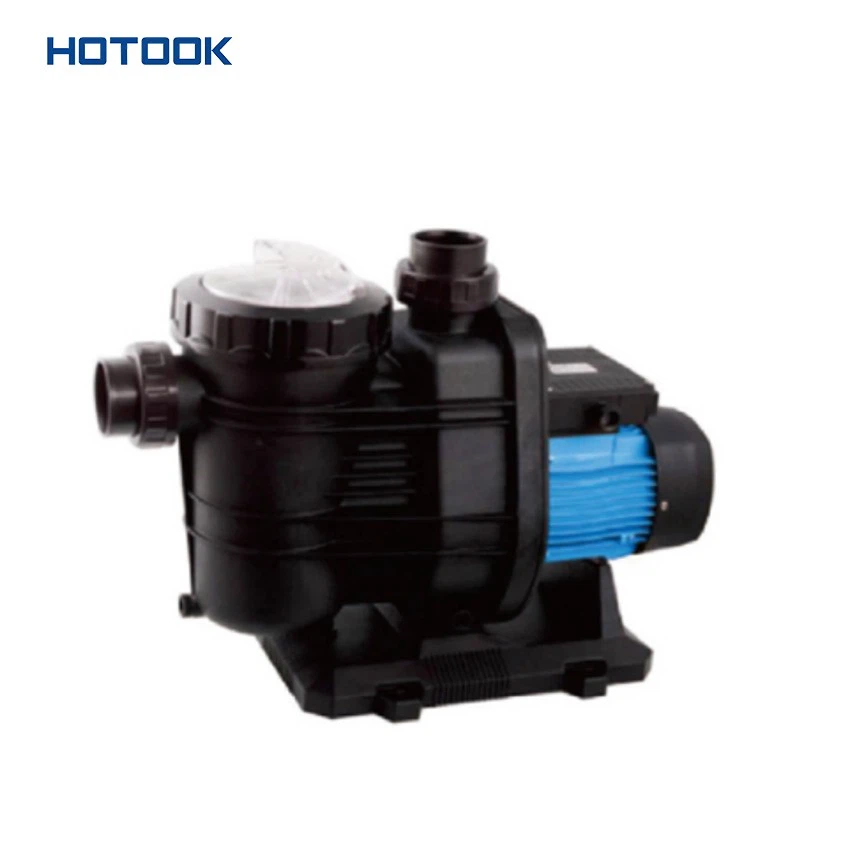

Evaluate the Motor and Electrical Components
Choose a pump with a motor and electrical components that are designed to handle high temperatures. Some pumps may have special features, such as thermal protection, to prevent overheating.
Our Product Range
As a supplier, we offer a wide range of solar power pumps, including Solar Booster Pump for Above Ground Pools, Solar Power Surface Centrifugal Pump, and Solar Power JET Pump. Our Solar Power Self Priming Pump is designed to meet various needs, and we can provide detailed information on their suitability for pumping hot water.
If you are interested in our products or have any questions about using a solar power self - priming pump to pump hot water, please feel free to contact us for a procurement discussion. We are committed to providing high - quality products and excellent customer service.
References
- Pump Handbook, by Igor J. Karassik et al.
- Solar Energy Engineering: Processes and Systems, by Soteris A. Kalogirou.